
Press kit
Paul Roustan • Body Painter & Photographer
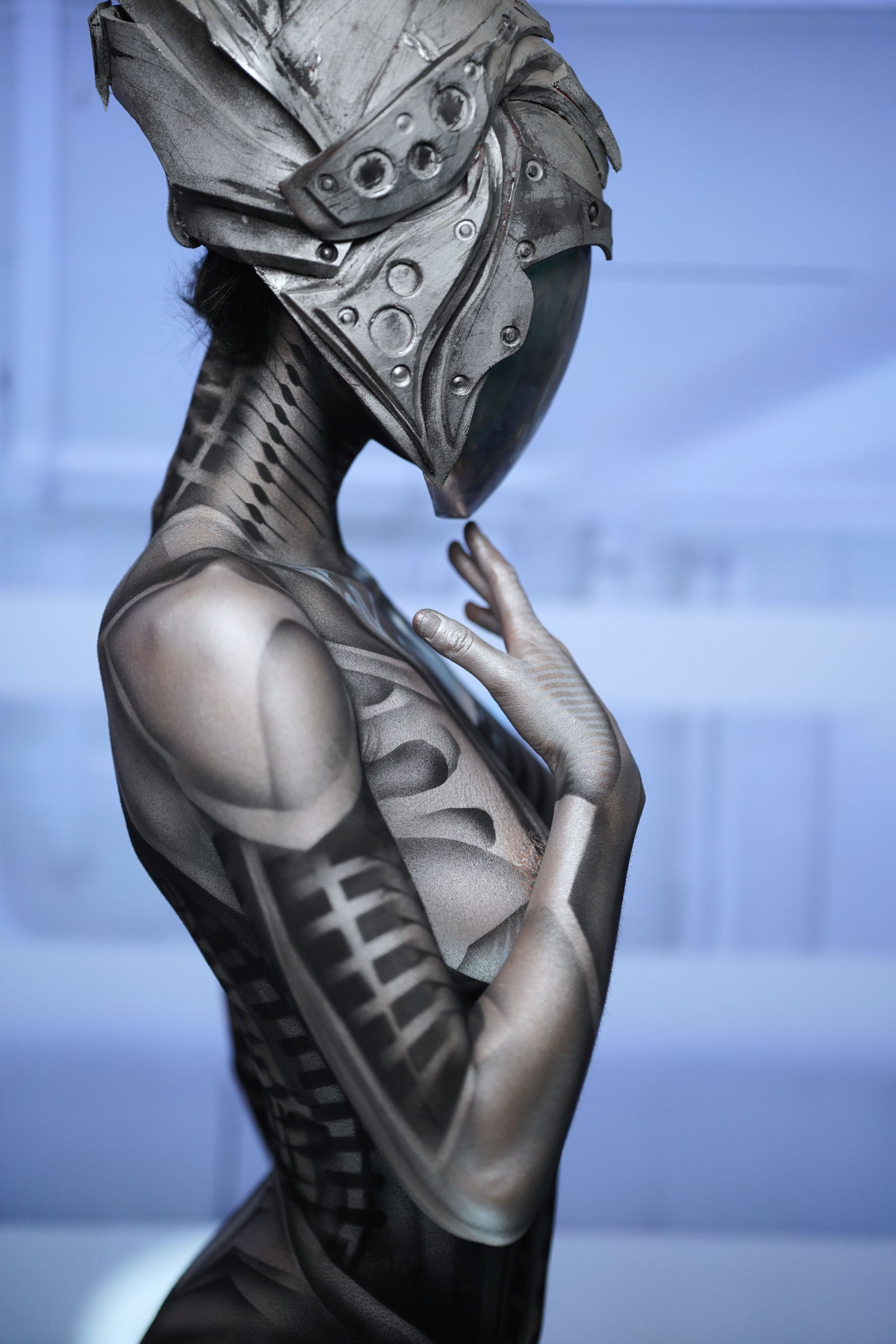
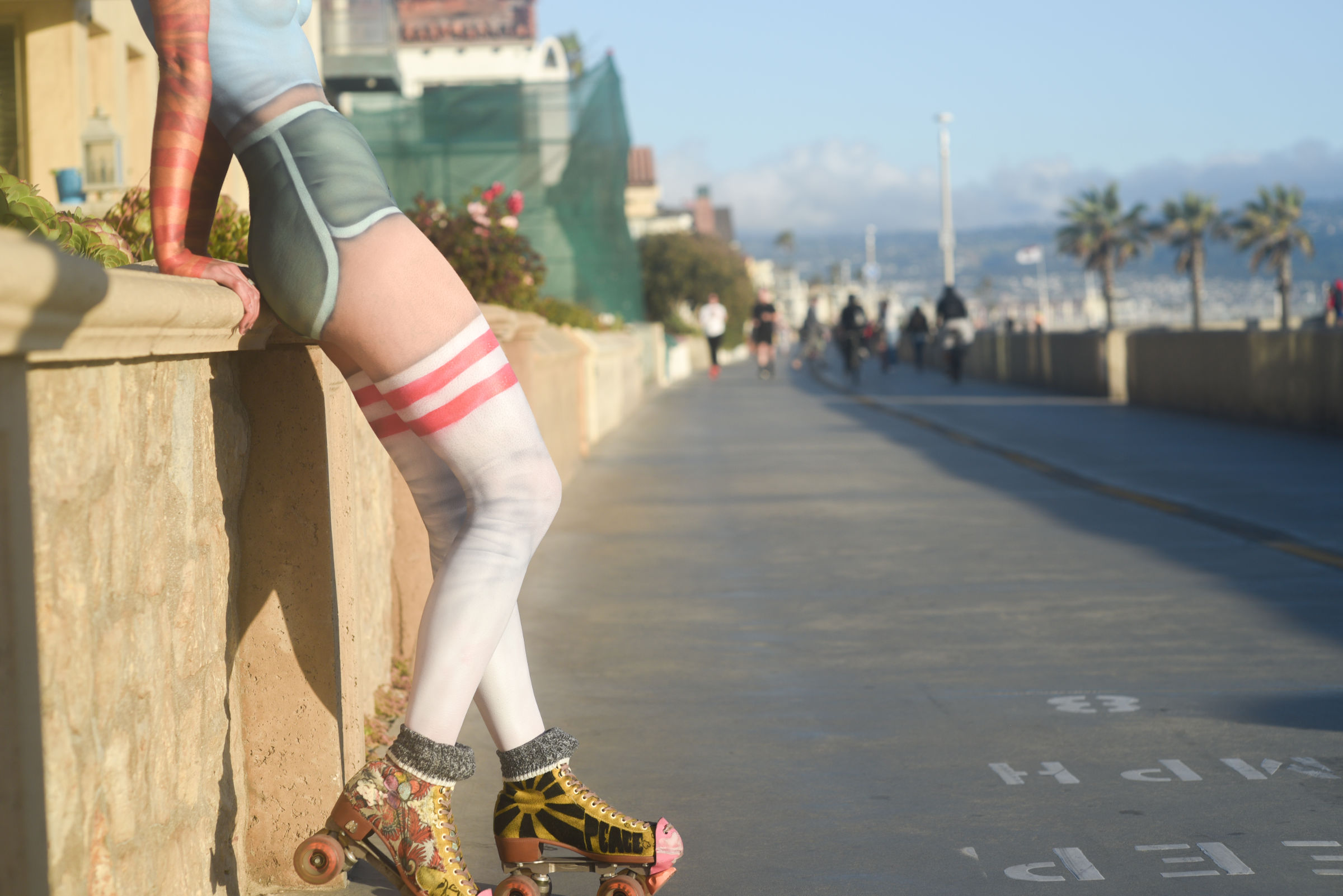
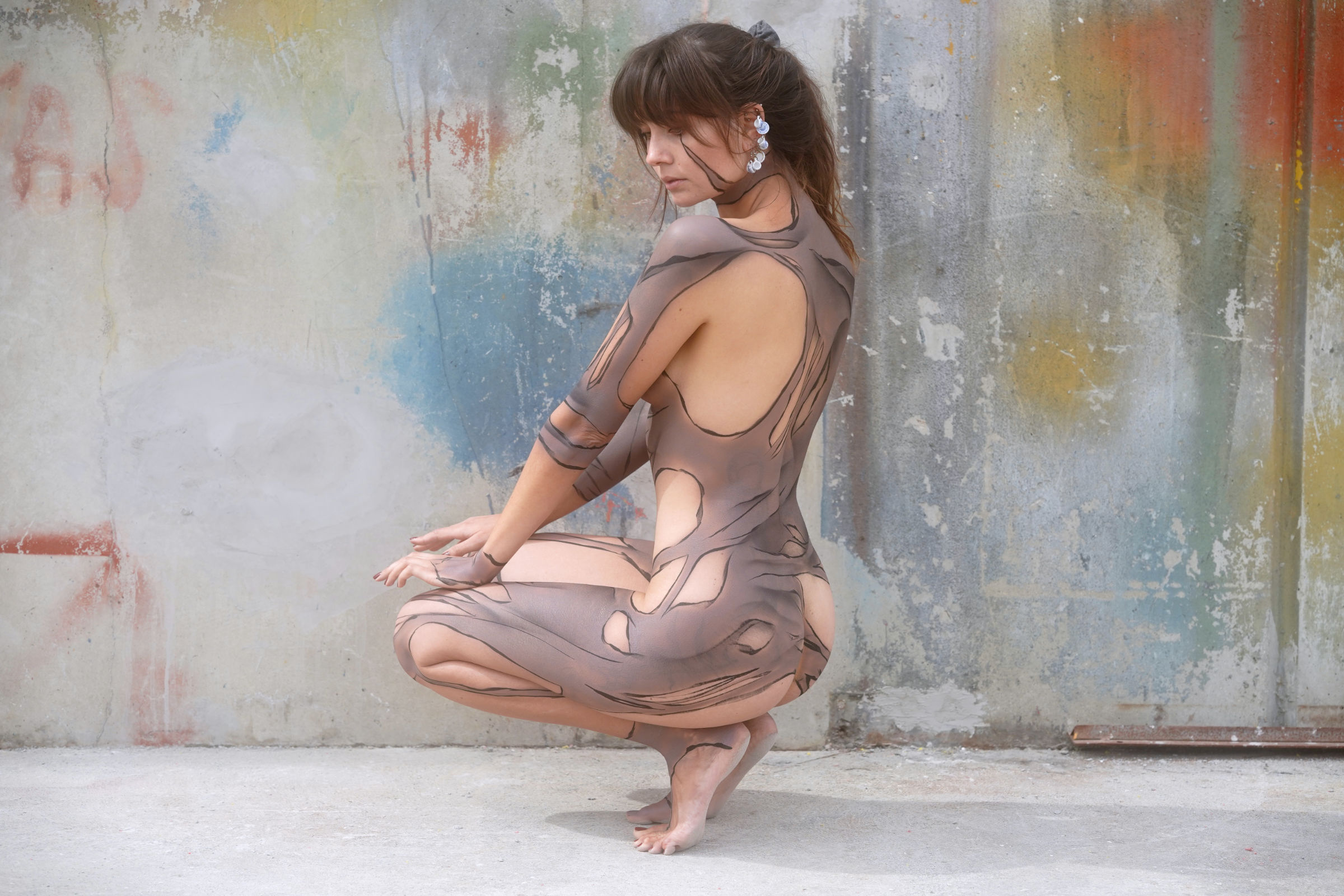
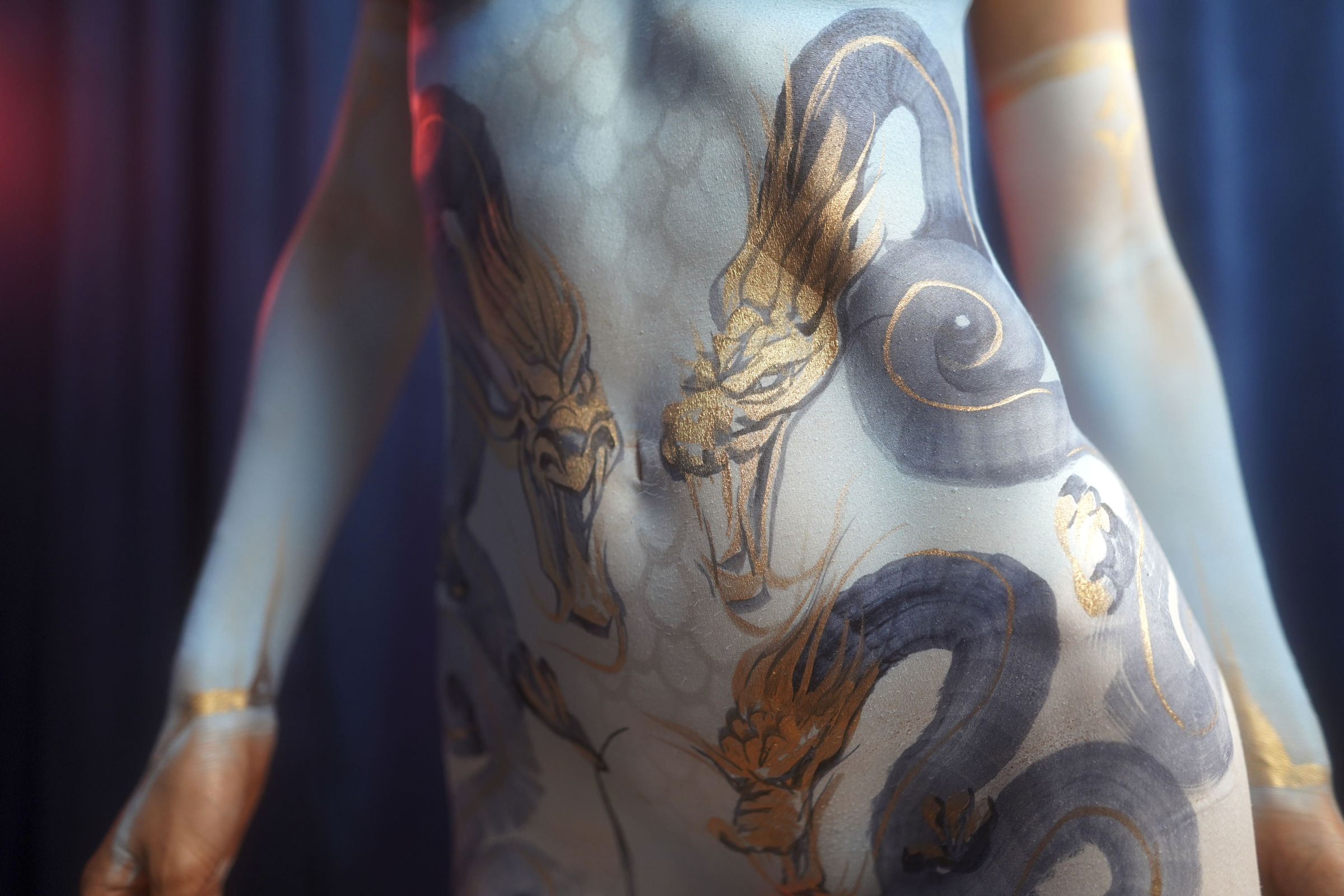
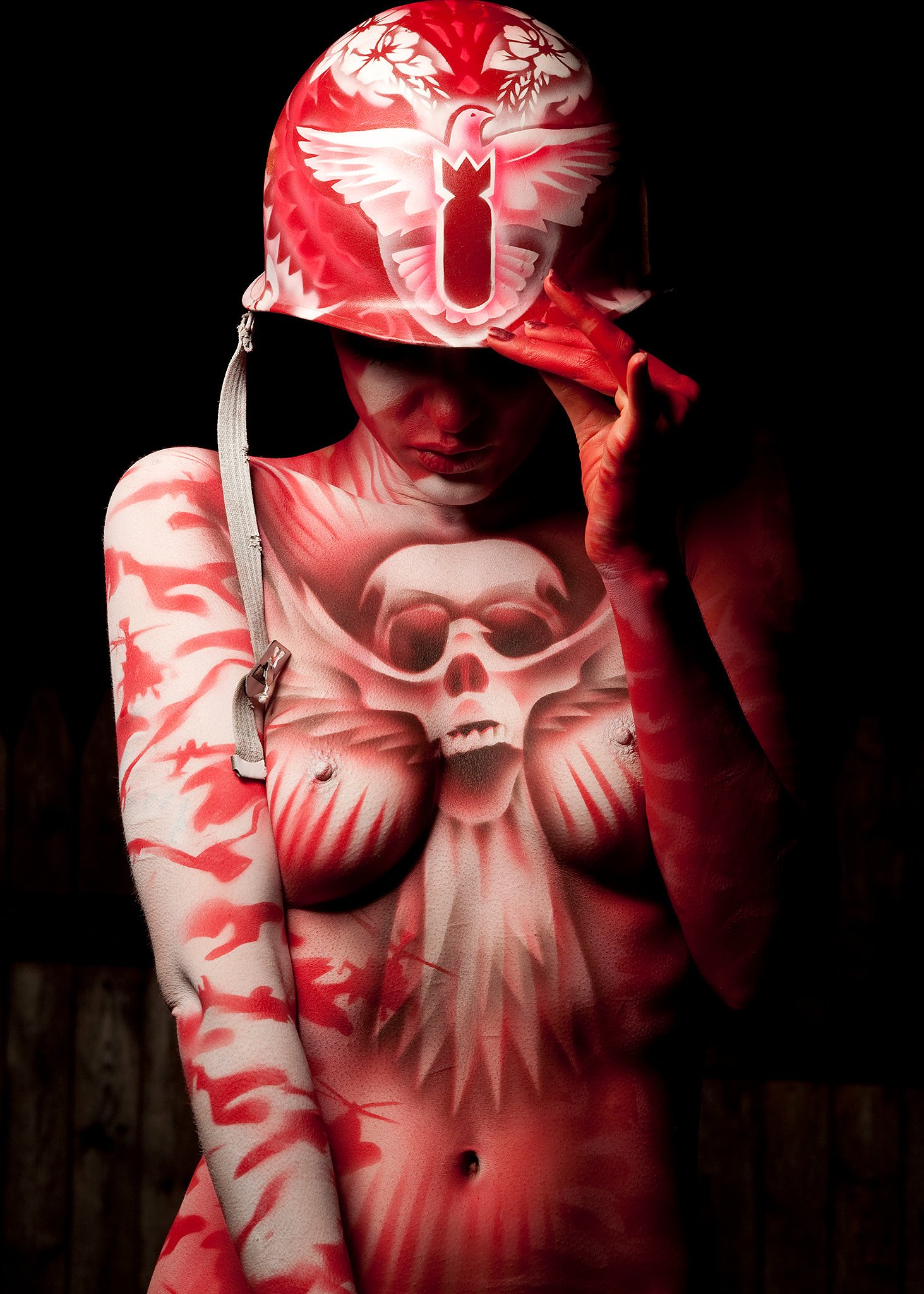
I’m a body painter. I paint on people, then photograph them. The time we spend, the interaction, and the makeup become part of something temporary that lives on through my photography, video, and more. I use body paint to tell a story about the person, relay an idea, or make wondrous decoration.Press release
Artist embraces AI to reduce dependence on social media
“I paint on people, and then I photograph them.” That is what Paul Roustan has said for decades now. Roustan has done this since 2005. The painting lasts a few hours. The photos and videos have always been the documented work. But these days, Roustan virtually brings this ephemeral art-form back to life.
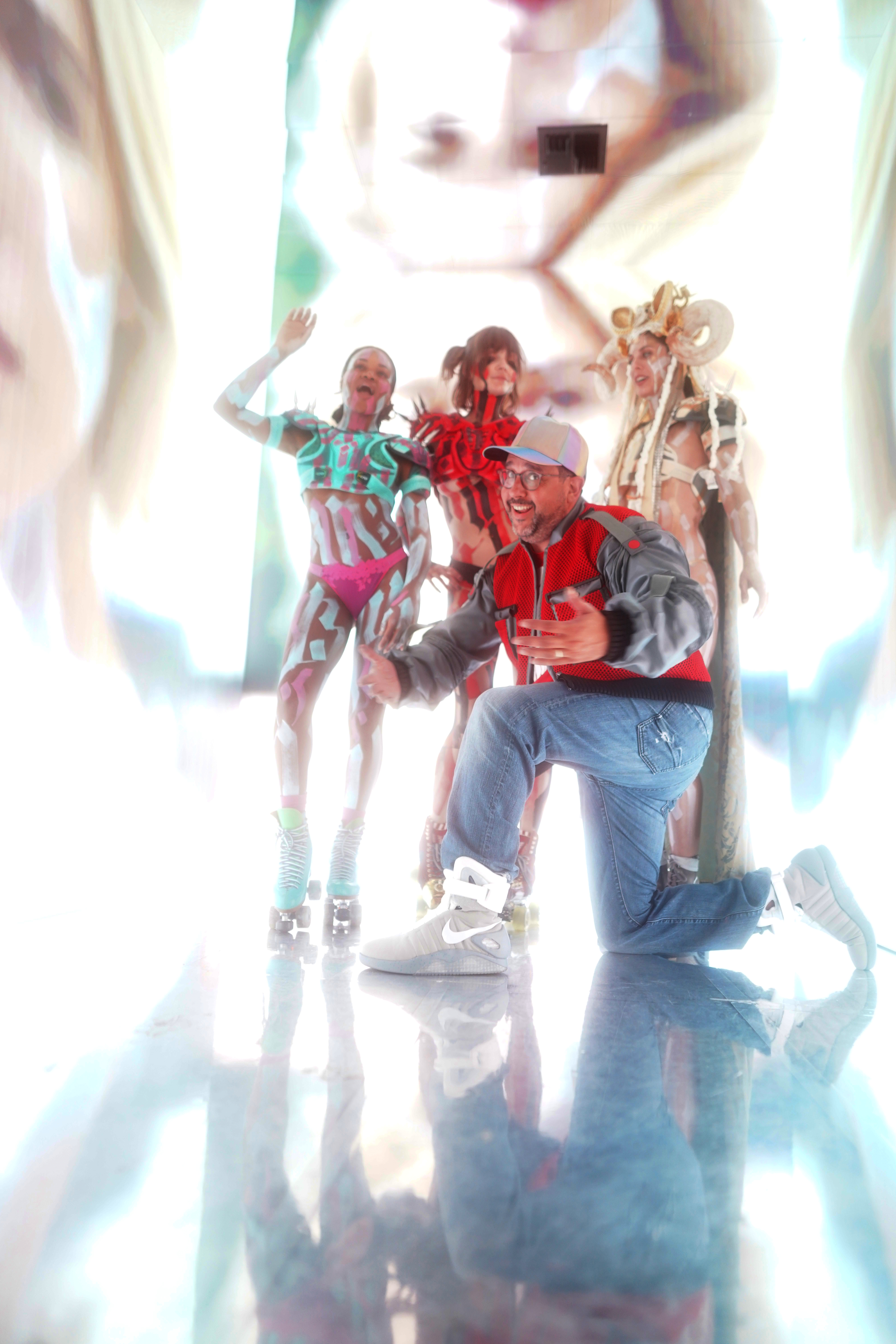
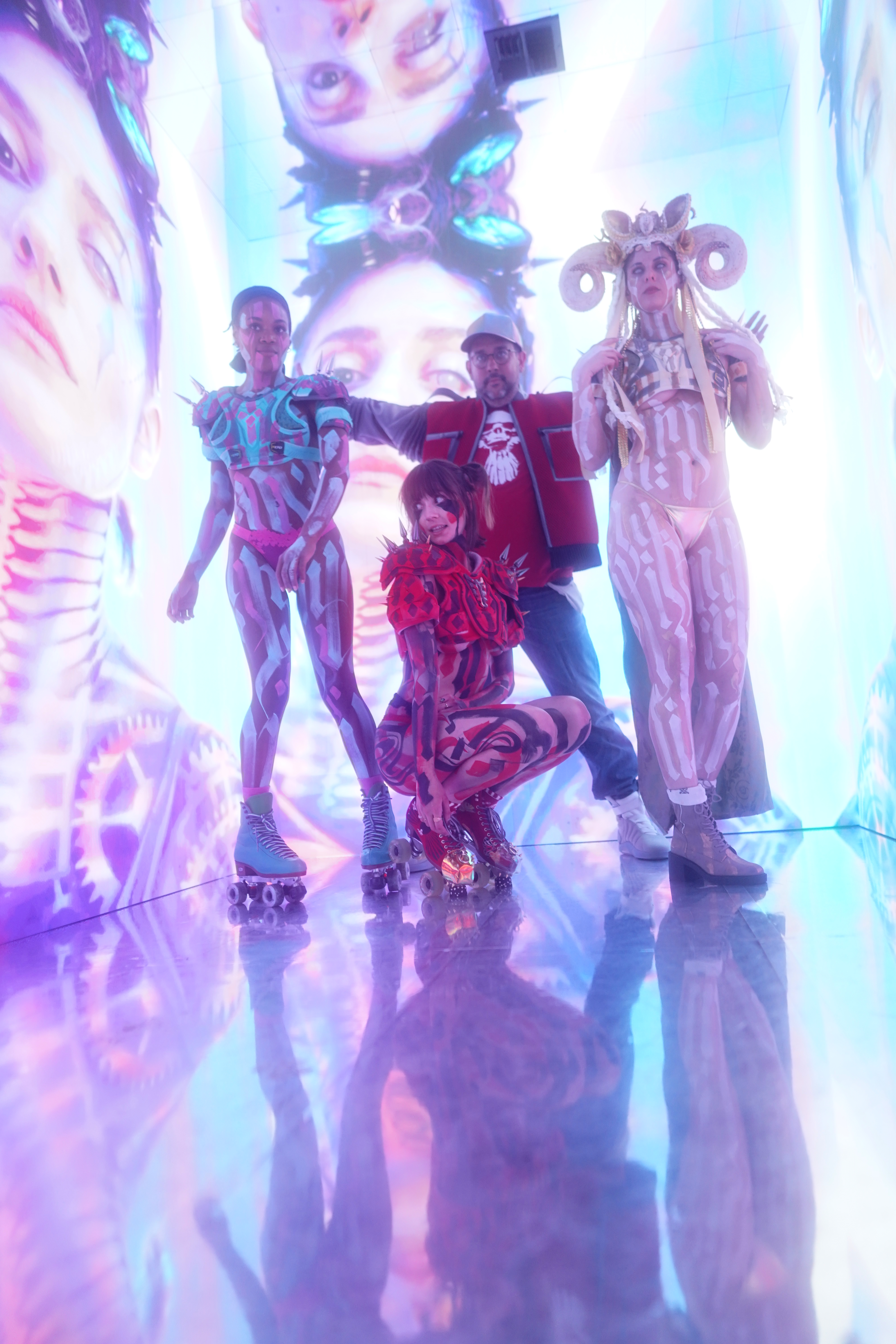
Roustan watched the creative world shift from simplicity, social media, the creator economy, web3, through AI. Roustan did not resist this evolution. He explored them all, with curiosity and experimentation, culminating in immersive virtual worlds, mixed reality, and volumetric capture. Roustan applied AI optimistically in the process.
Roustan minted his first NFT on OpenSea in March 2021. He says, “I understood the potential immediately, an entirely new avenue to distribute my work, miles ahead of its previous limitations. It was like I waited my entire life for this to exist.”
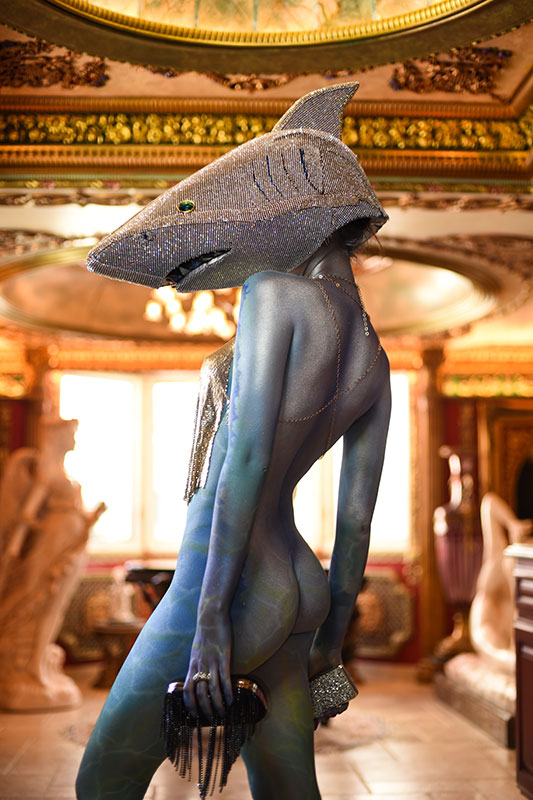
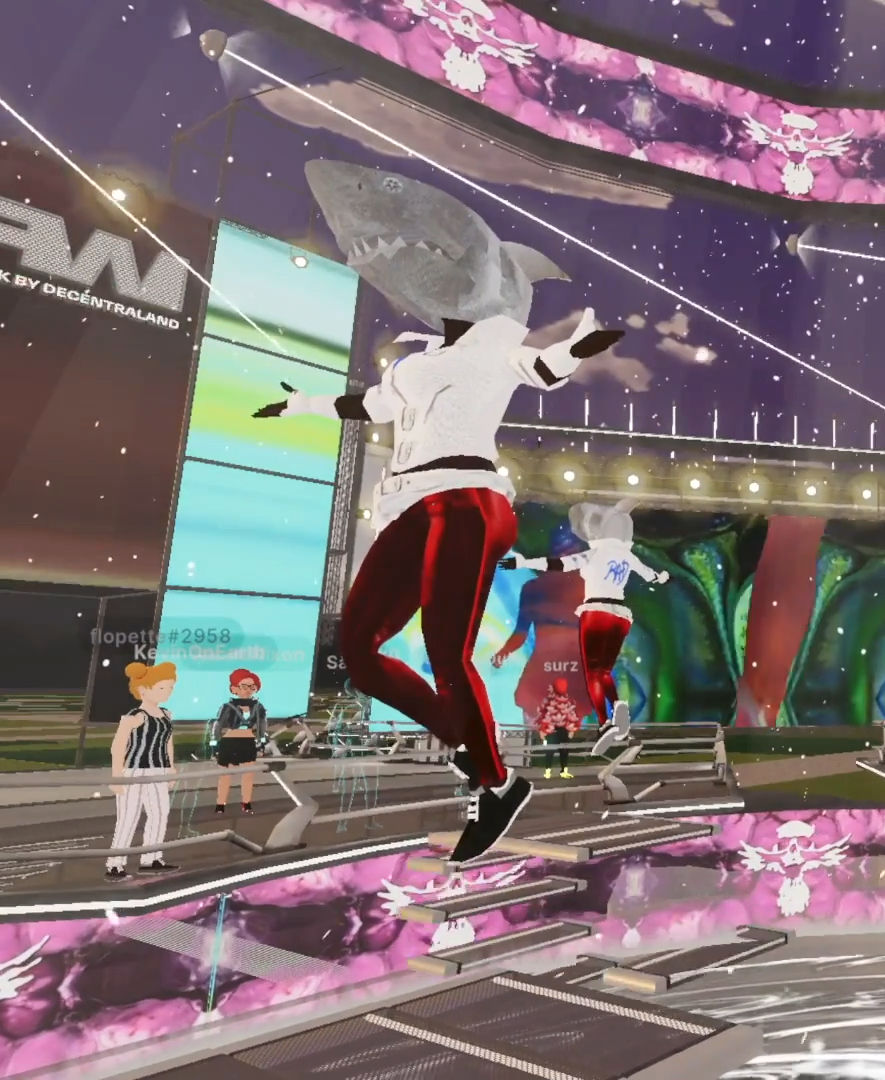
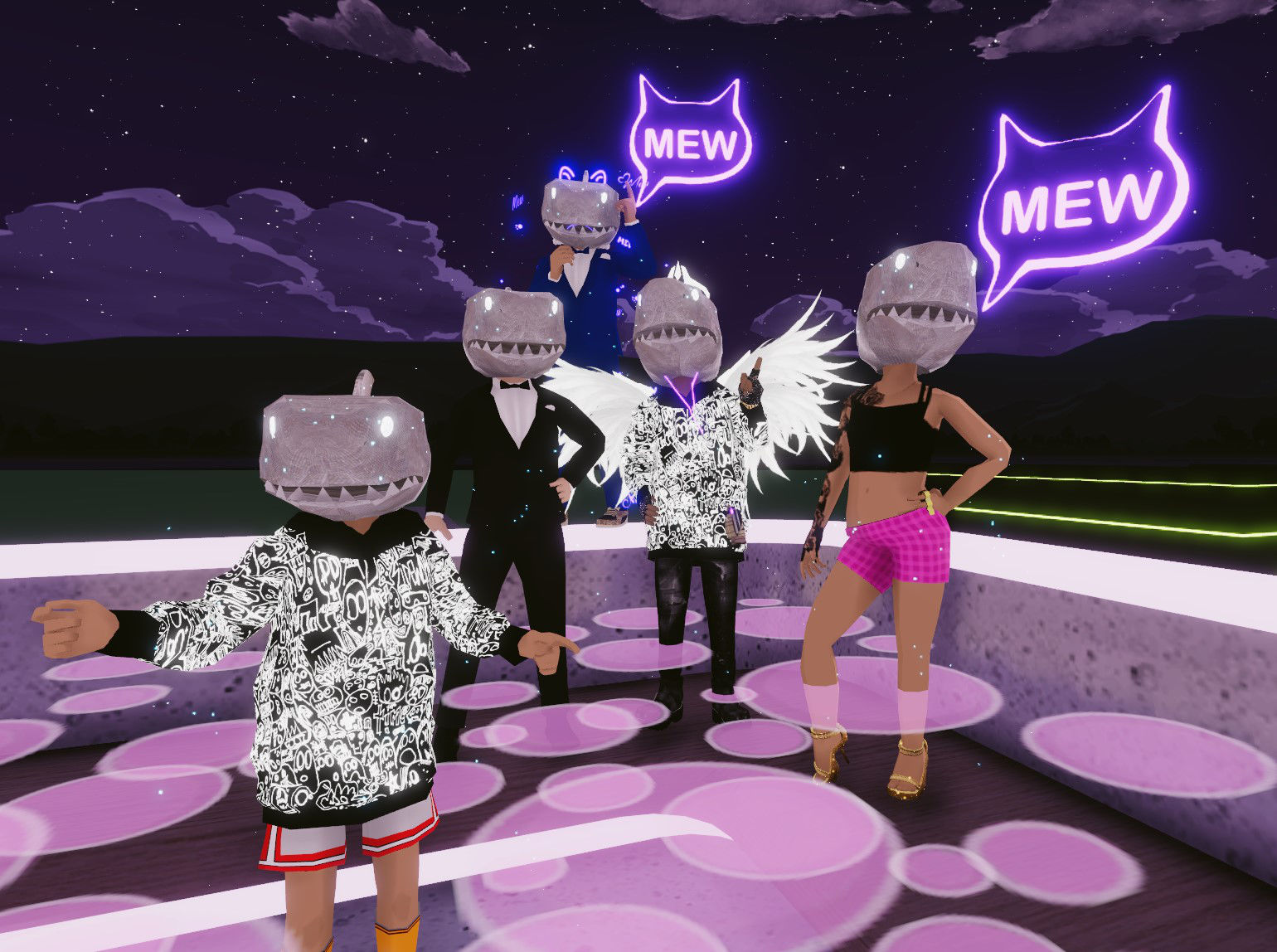
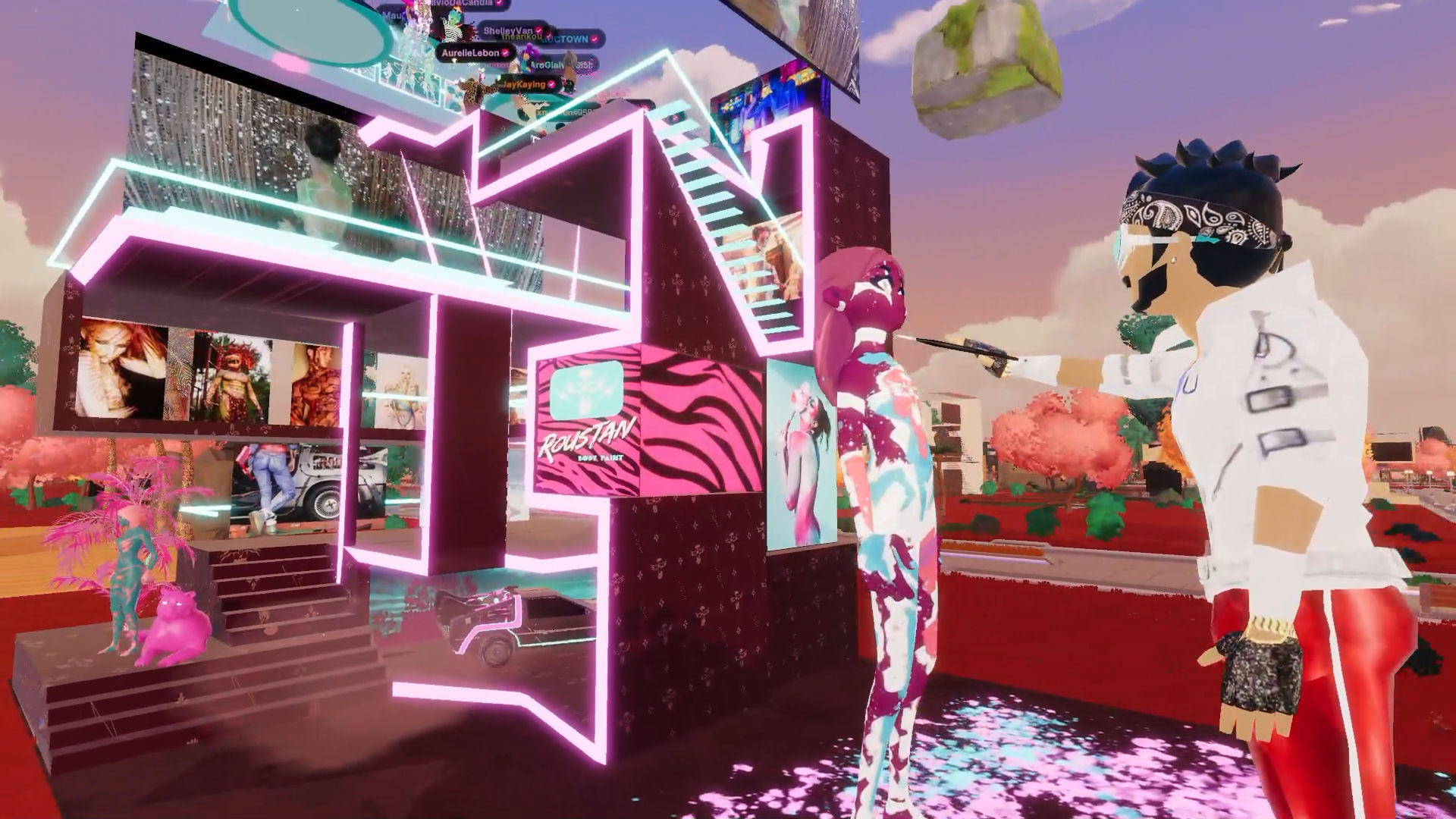
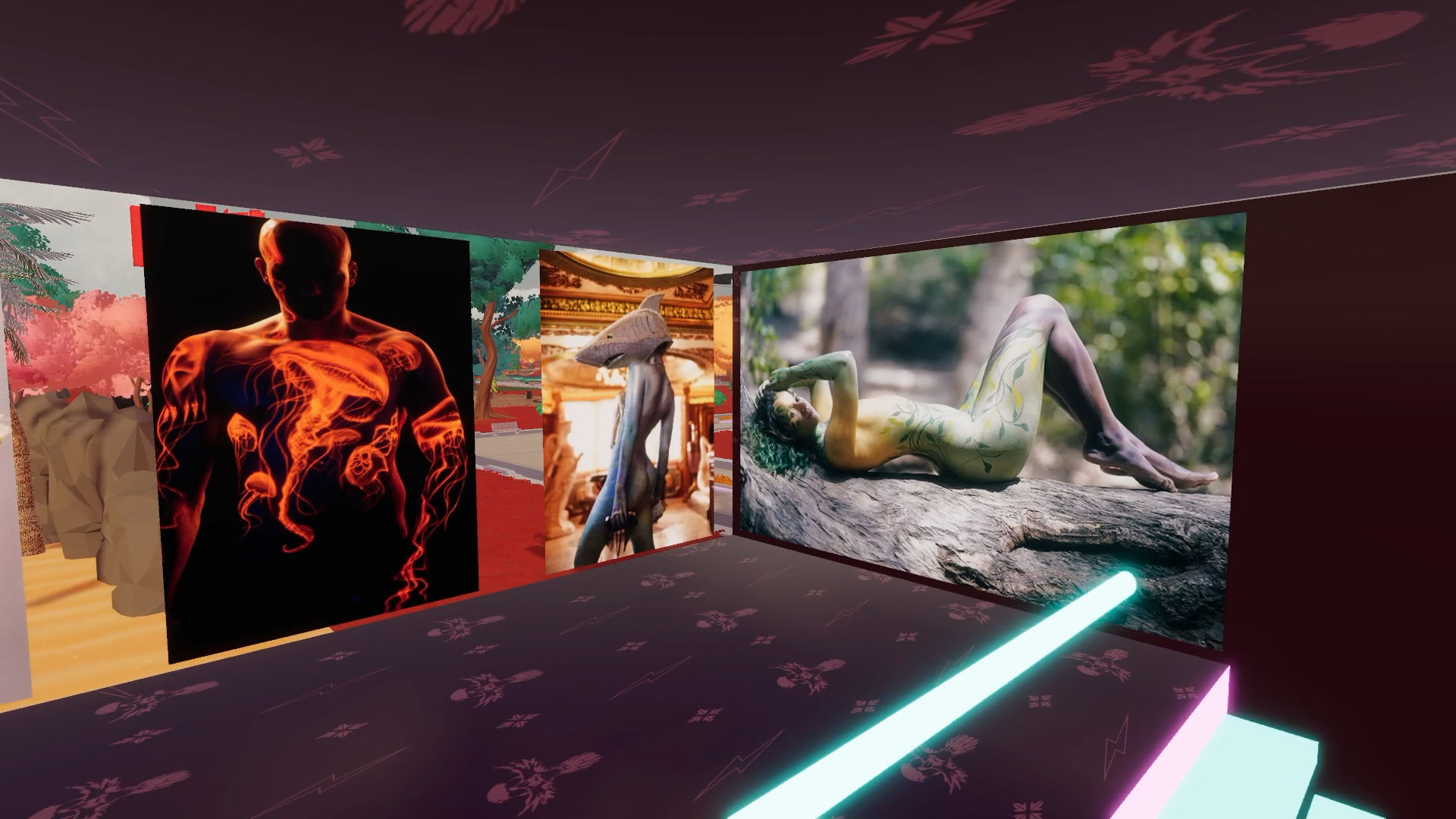
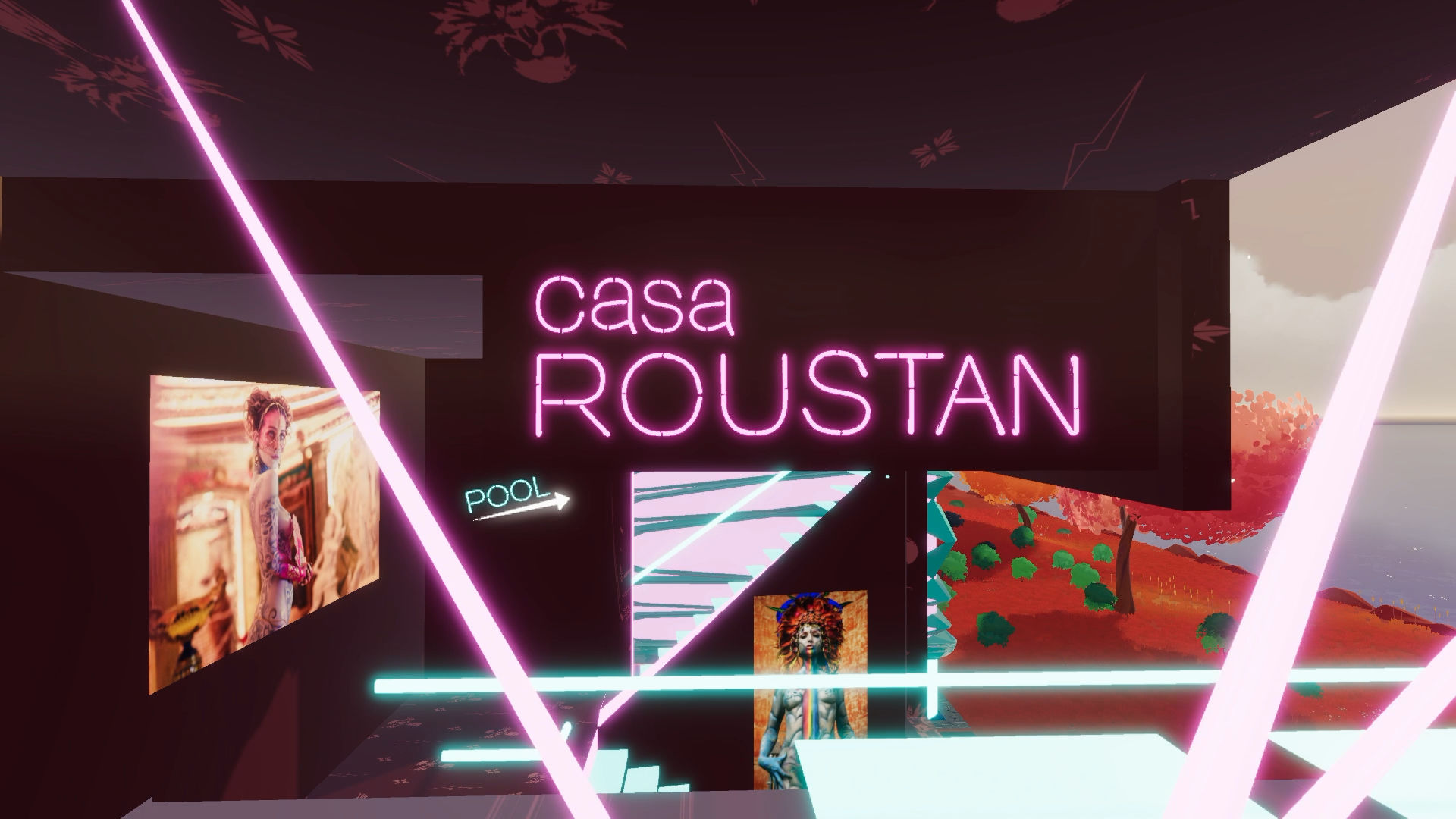
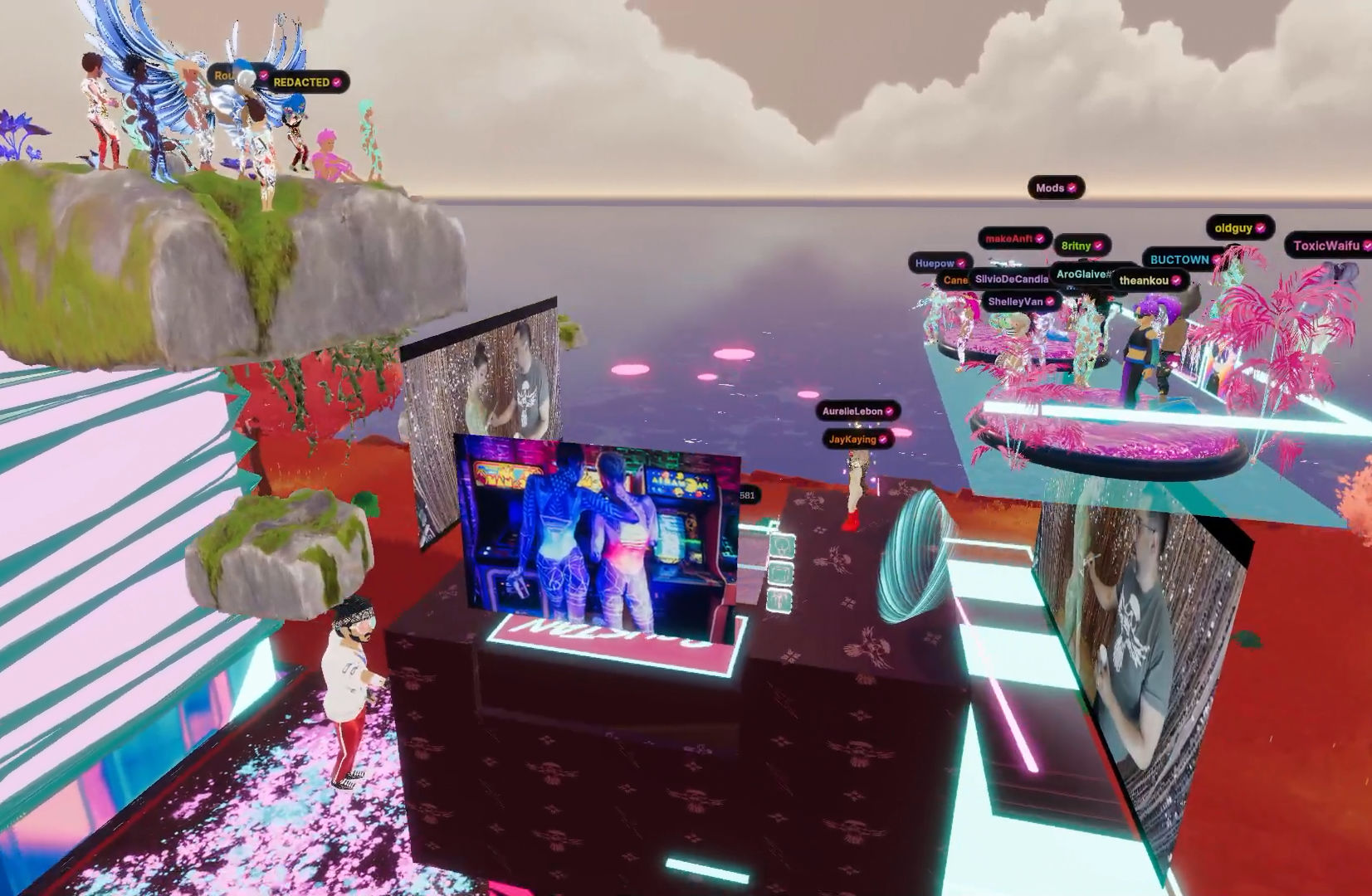
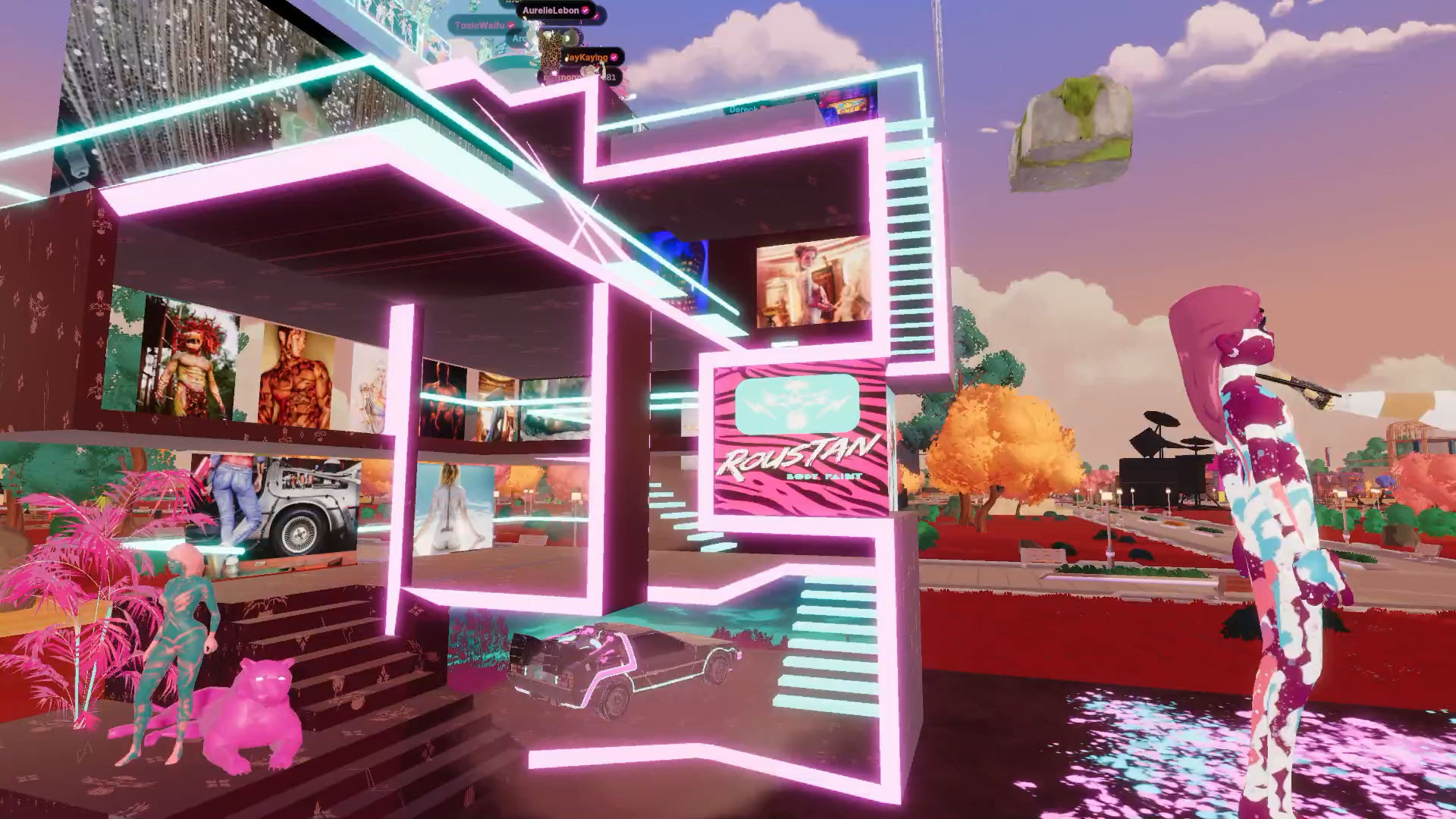
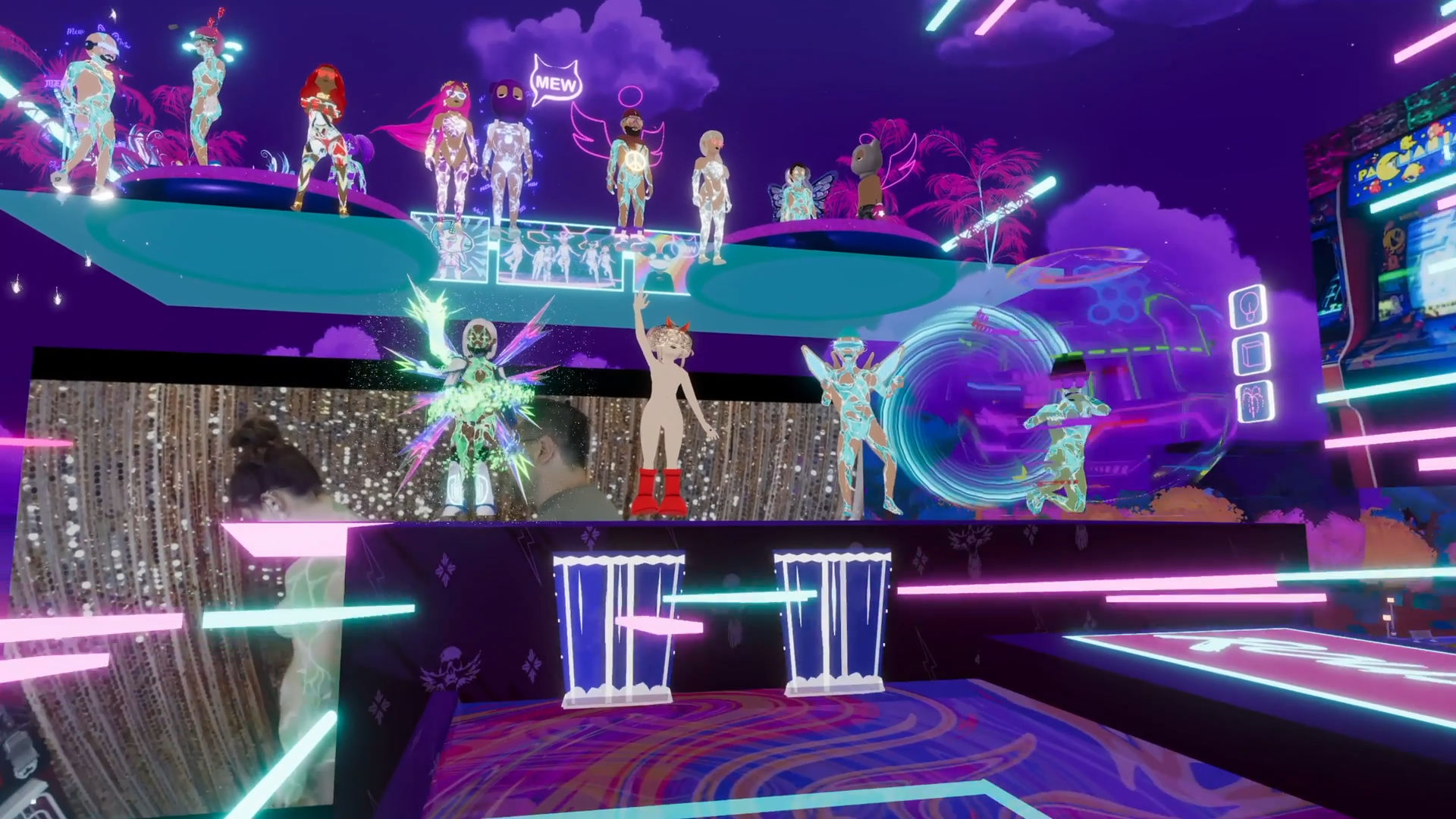
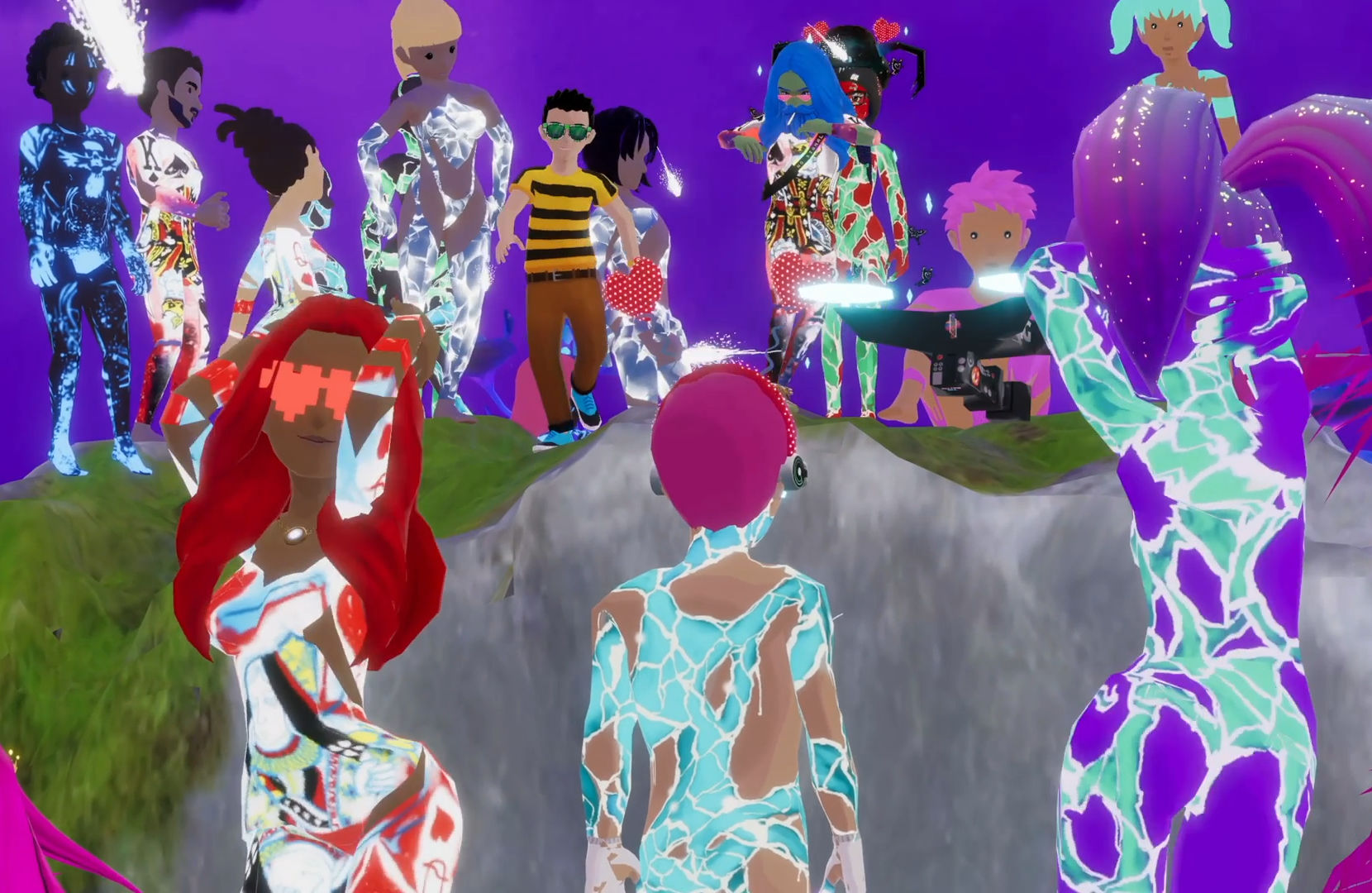
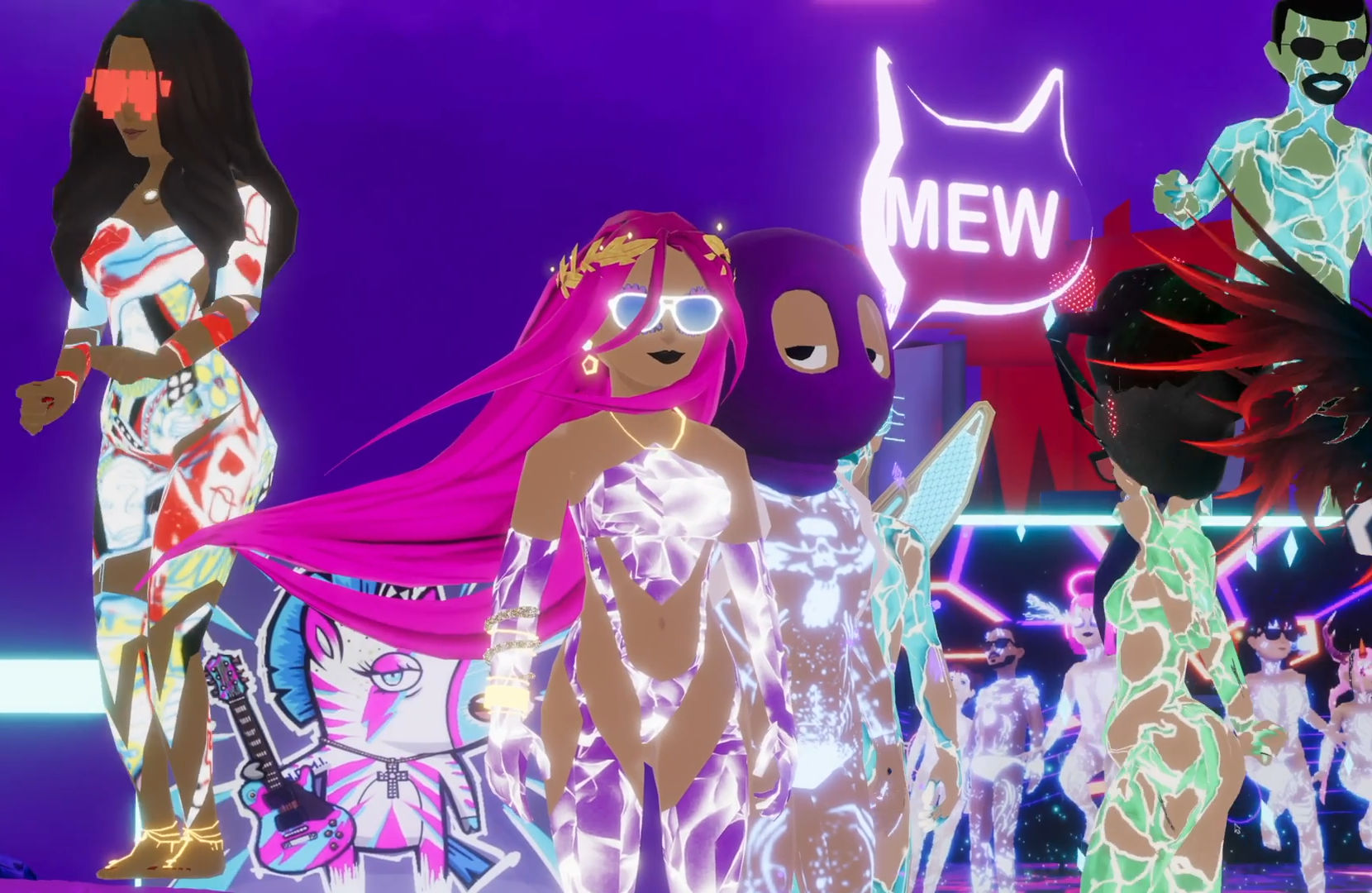
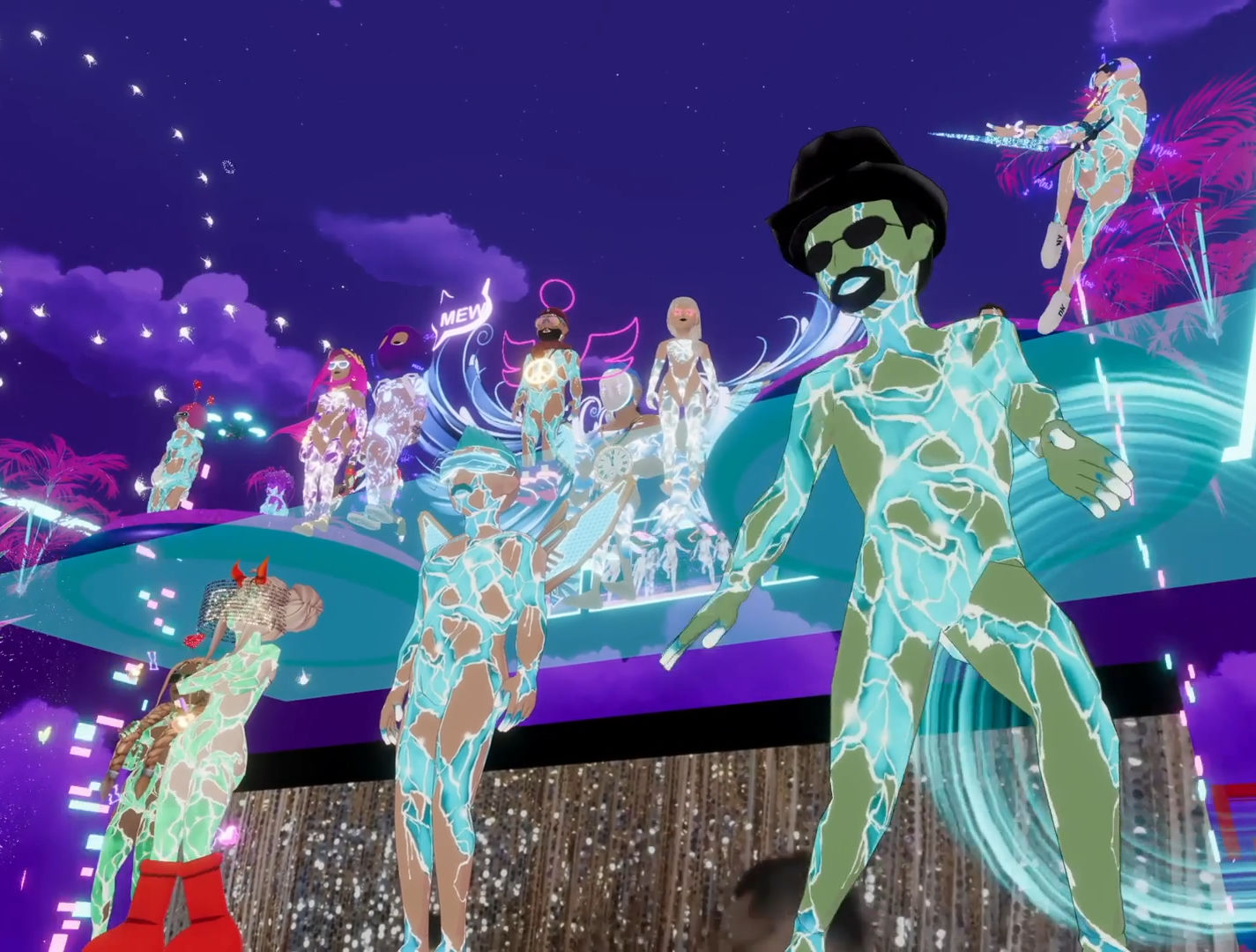
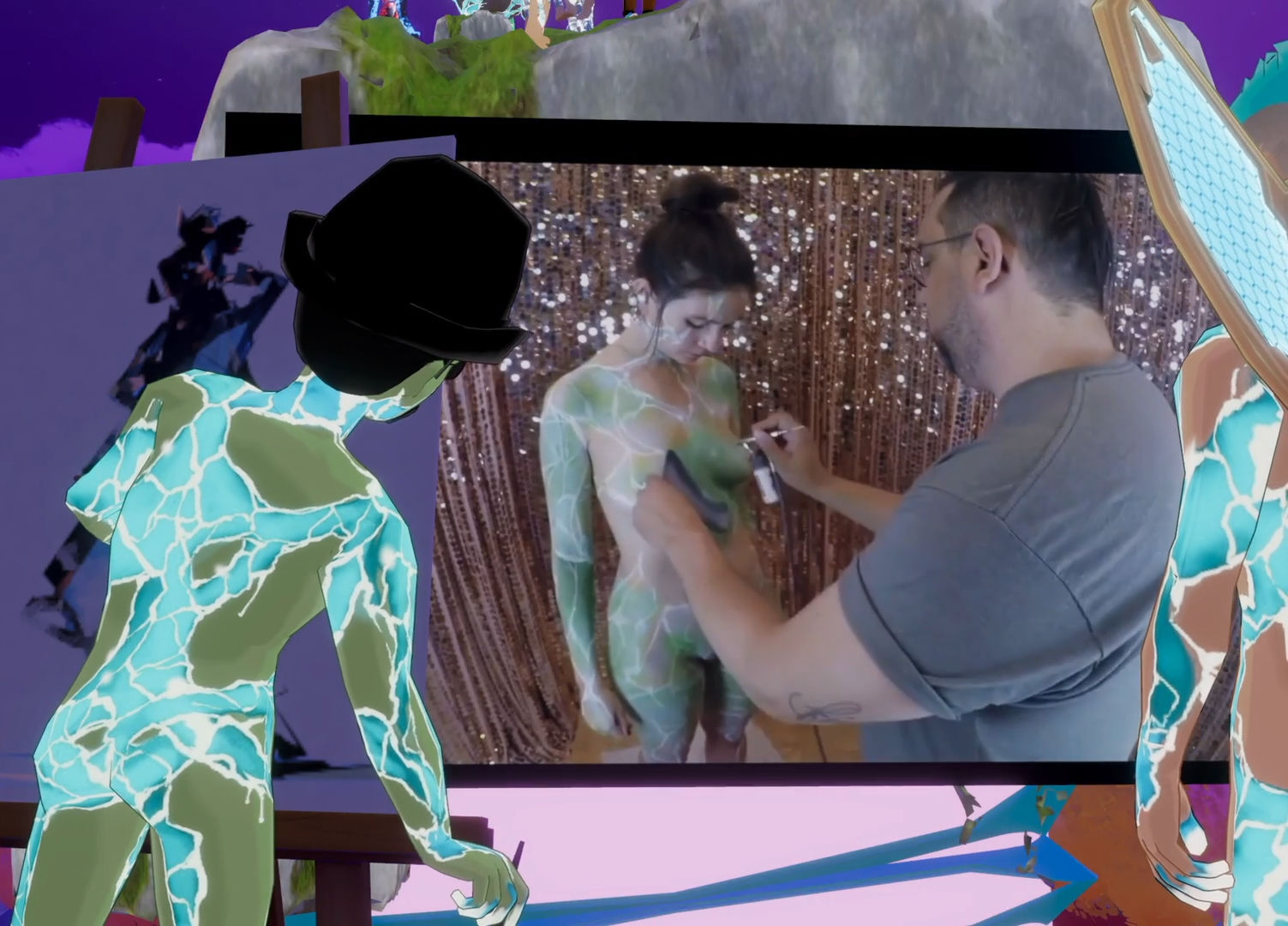
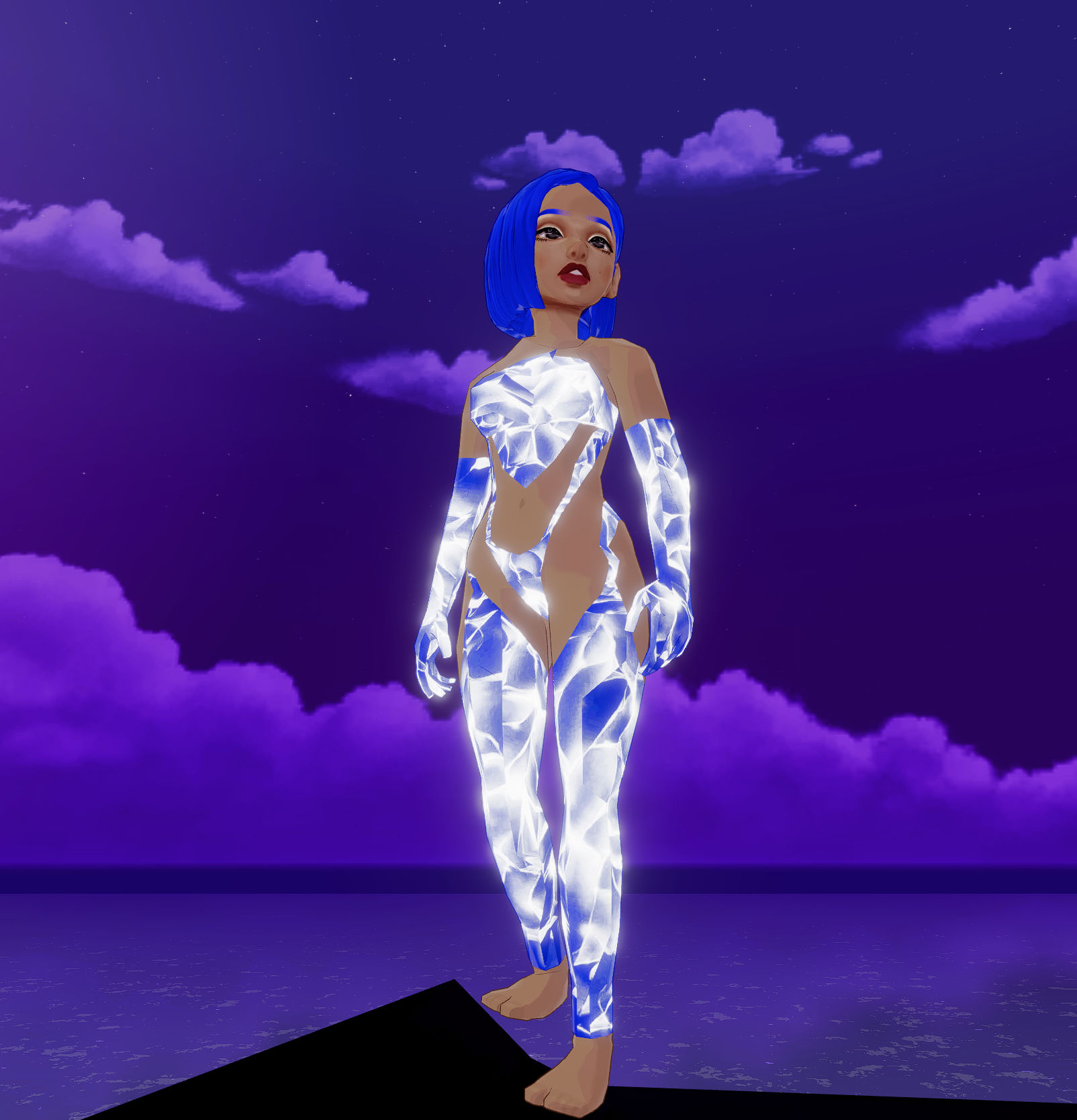
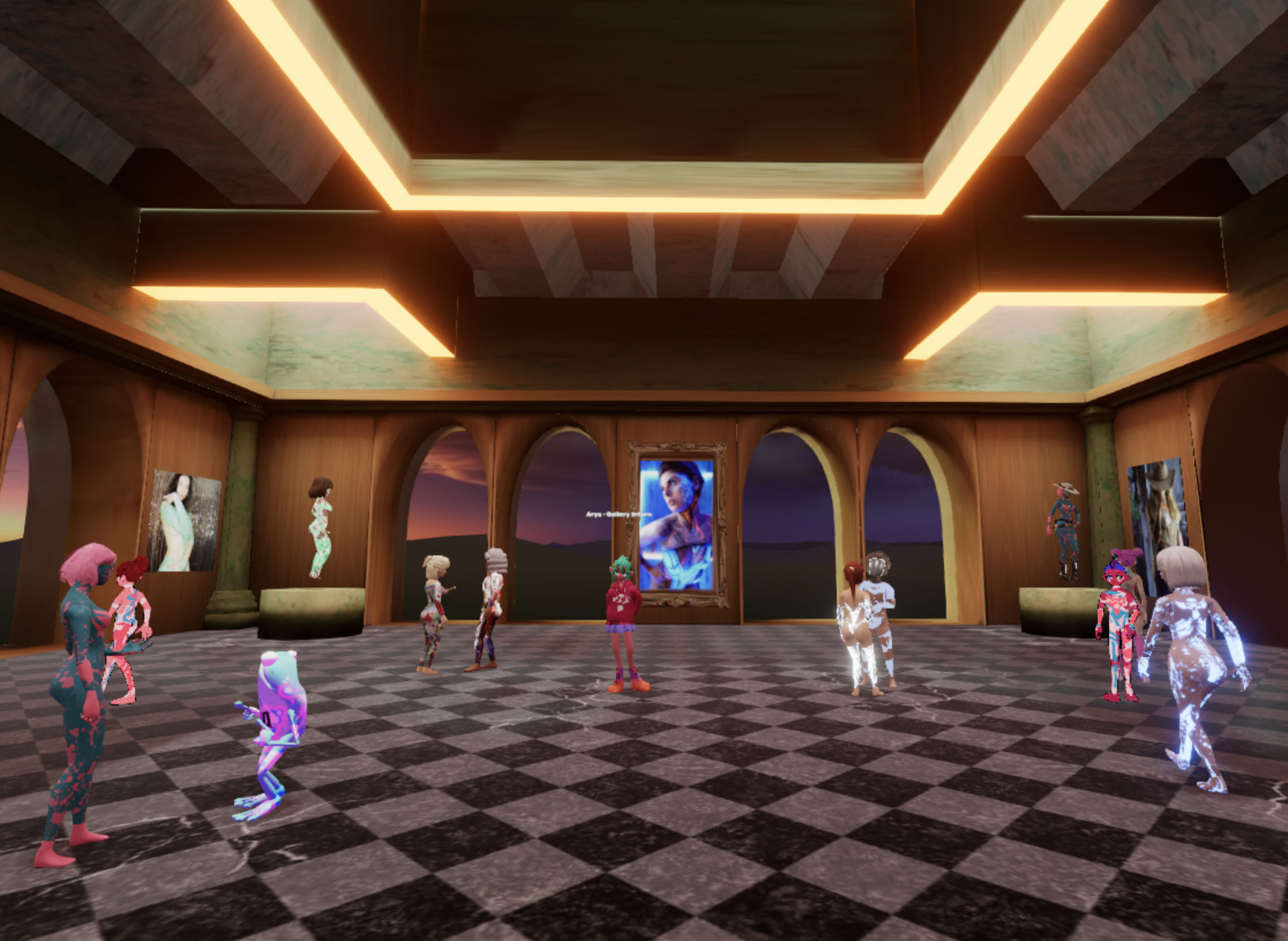
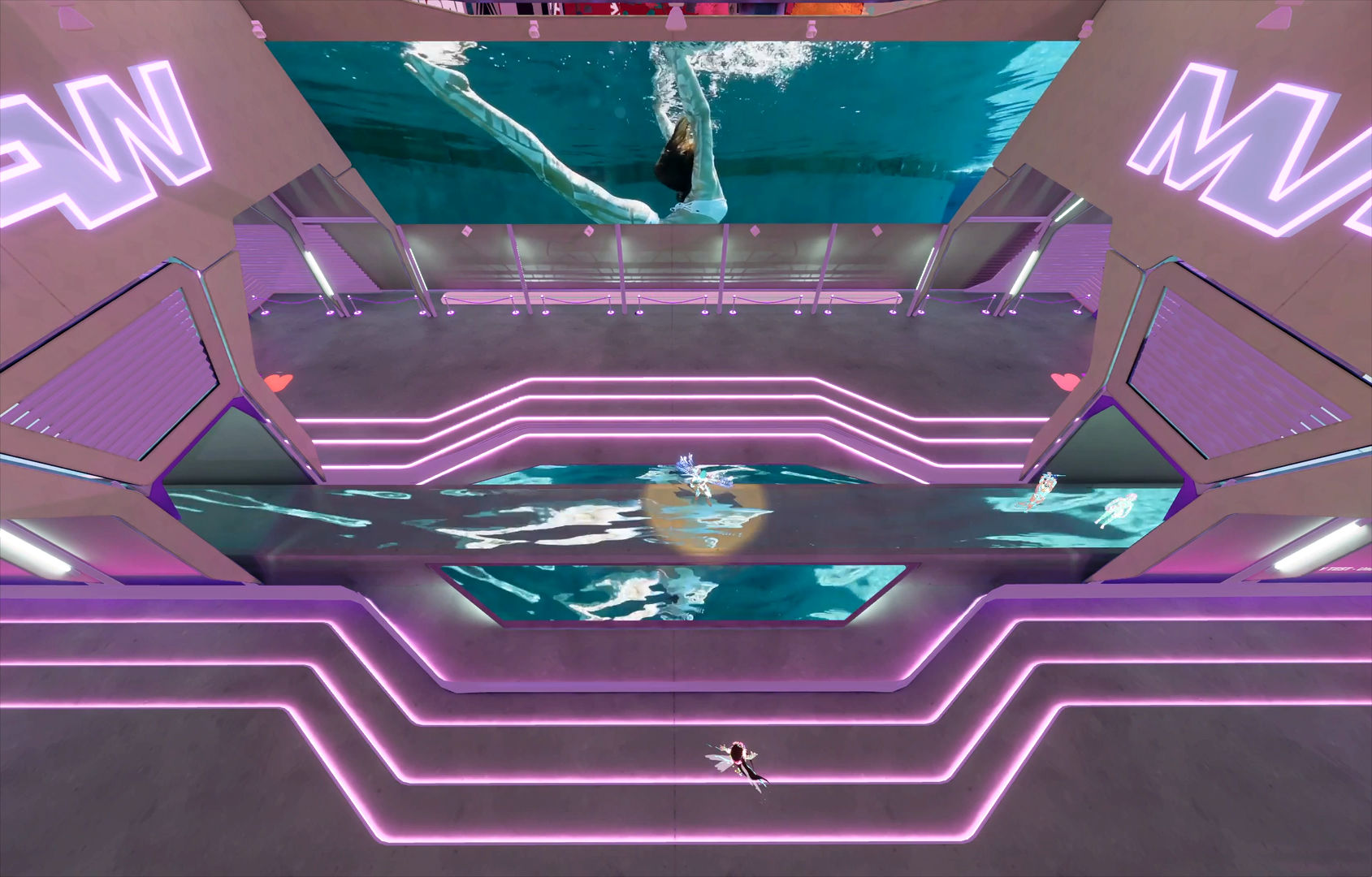
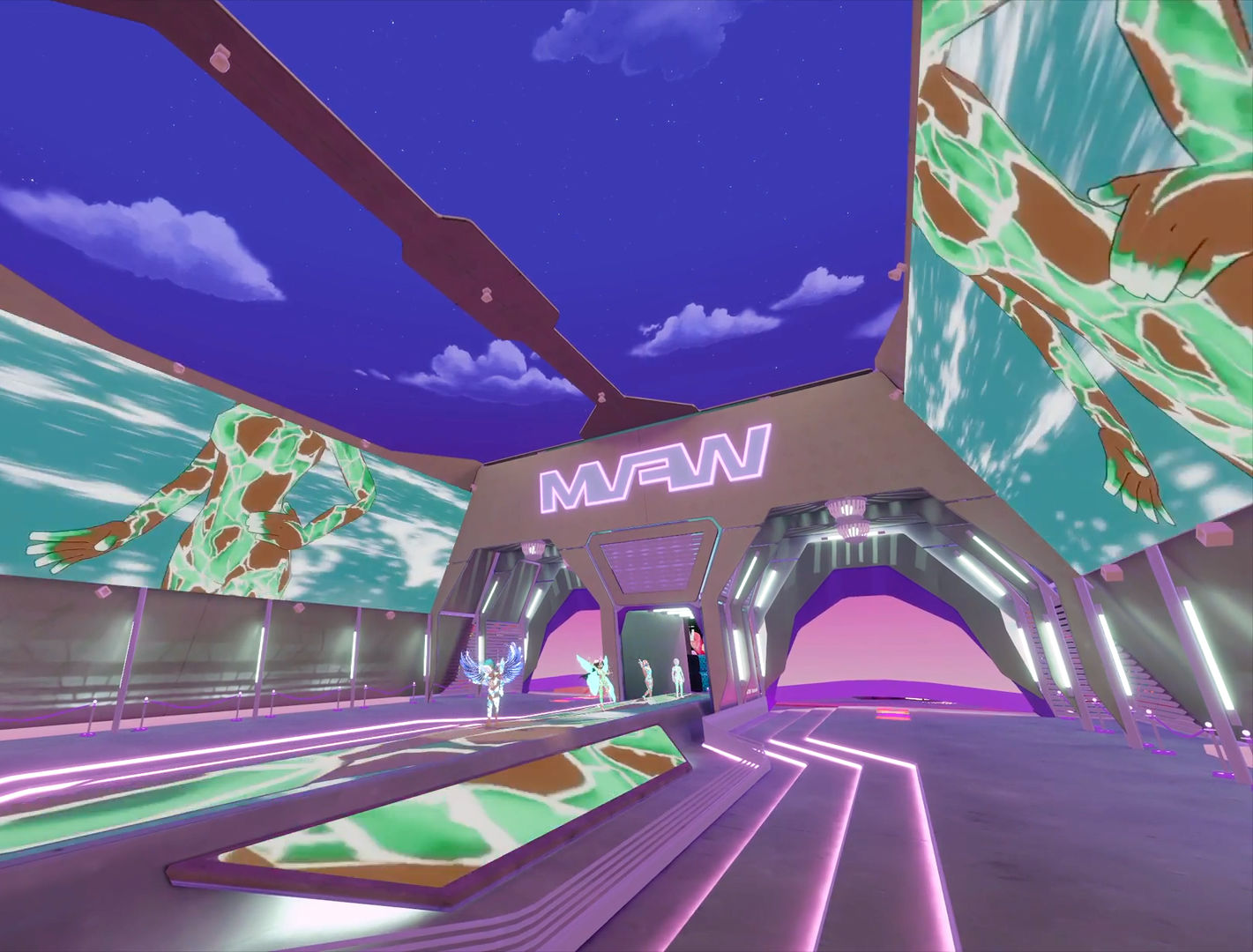
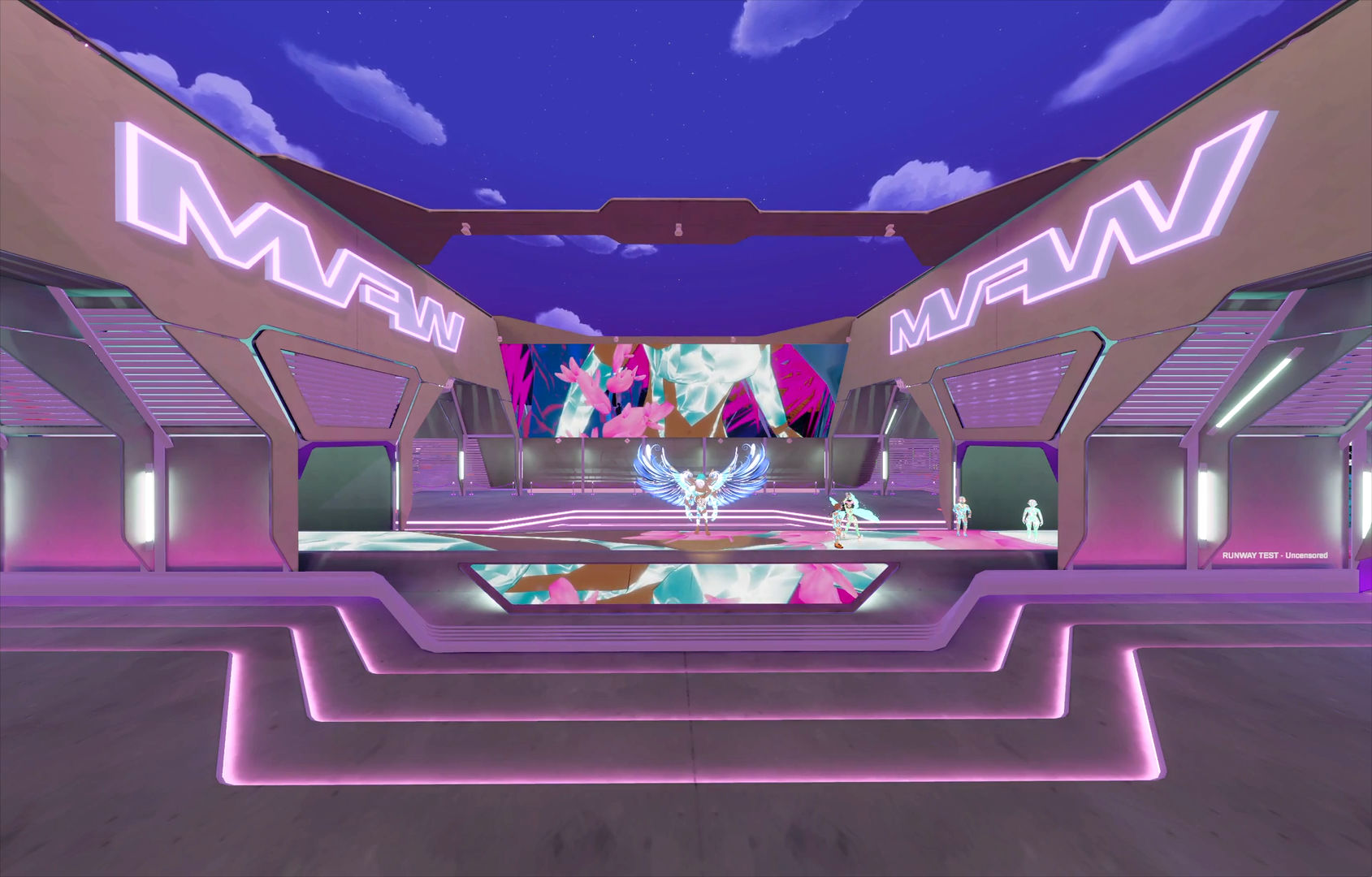
In Decentraland, Roustan set up a gallery for solo and group exhibitions, release parties, and DJ events. Roustan made wearables there and sold them: jean jackets with his art, virtual glasses, shoes, over 1000 body paintings and a shark headpiece from an existing real life body-painting series that was featured in Metaverse Fashion Week. “I found this to be far more effective, convenient, and efficient than my traditional real life gallery shows.”
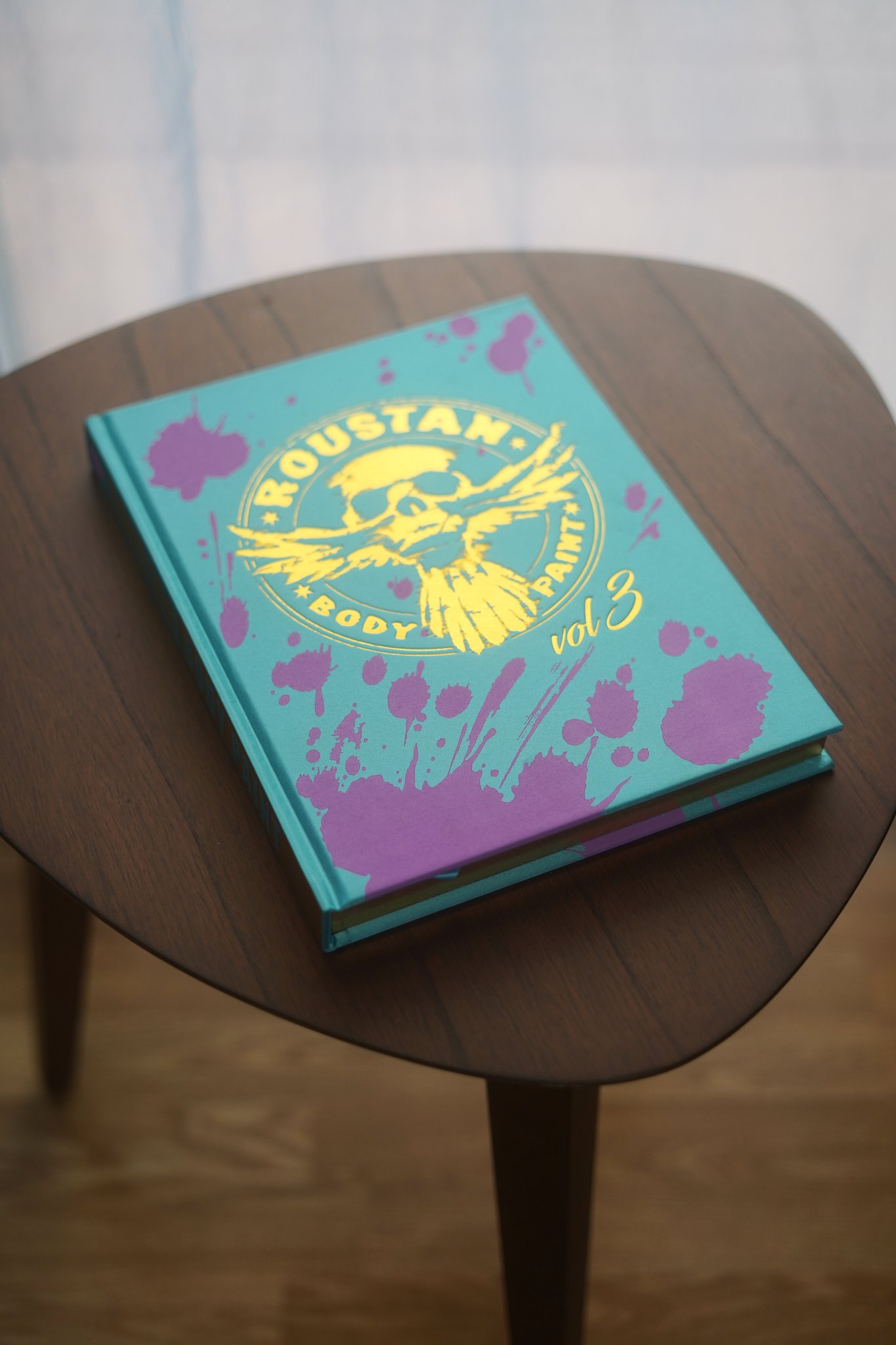
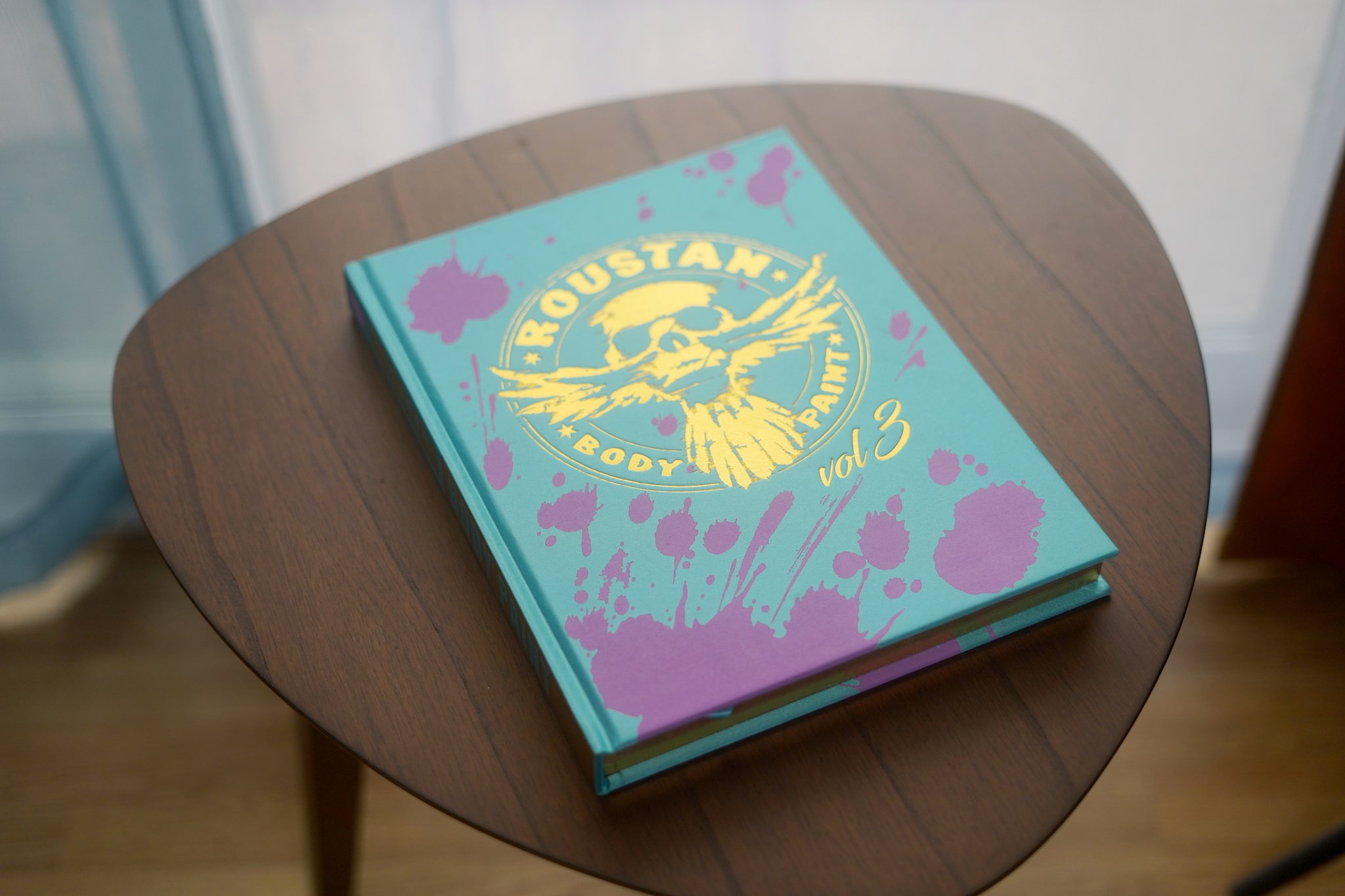
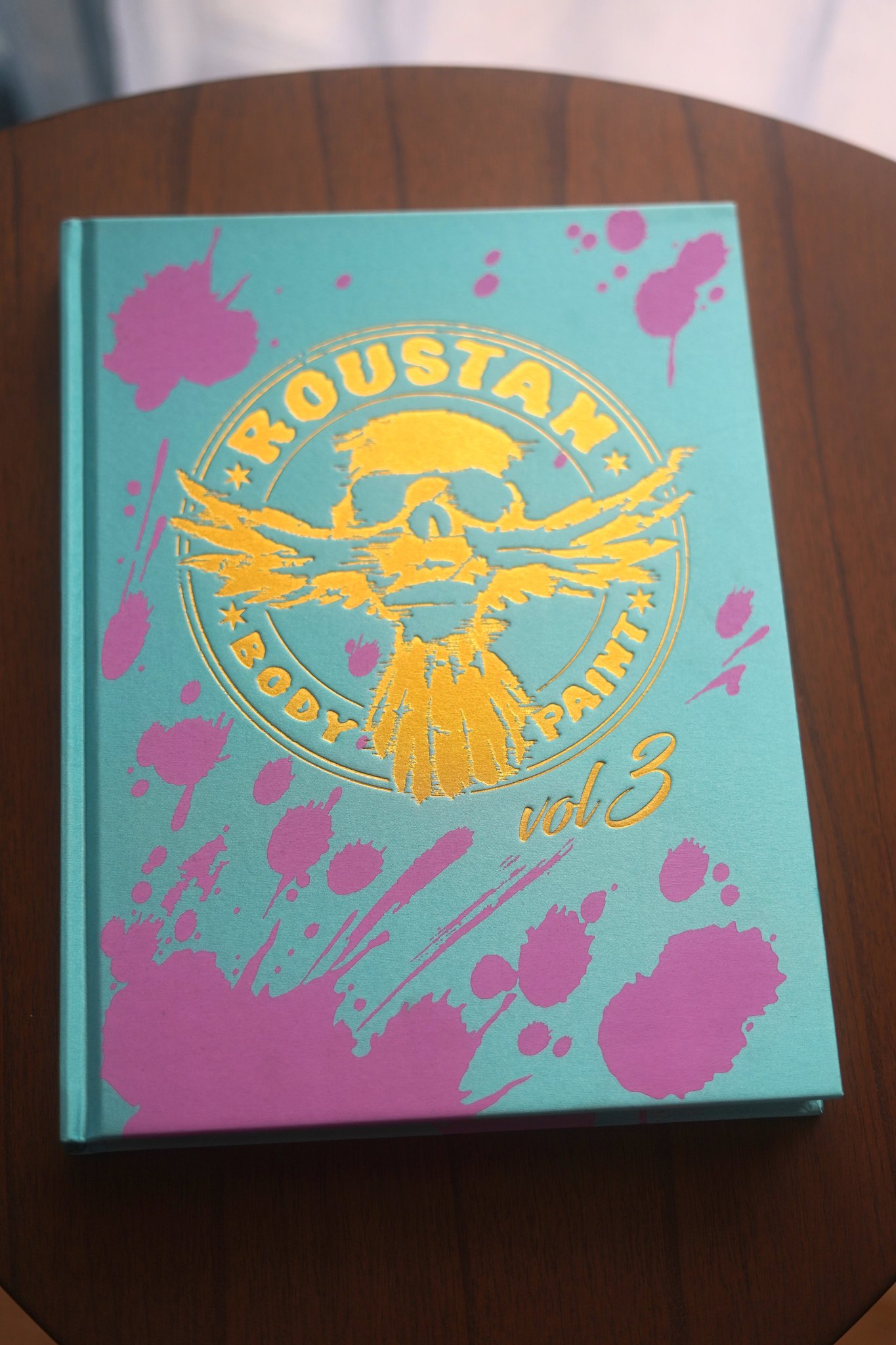
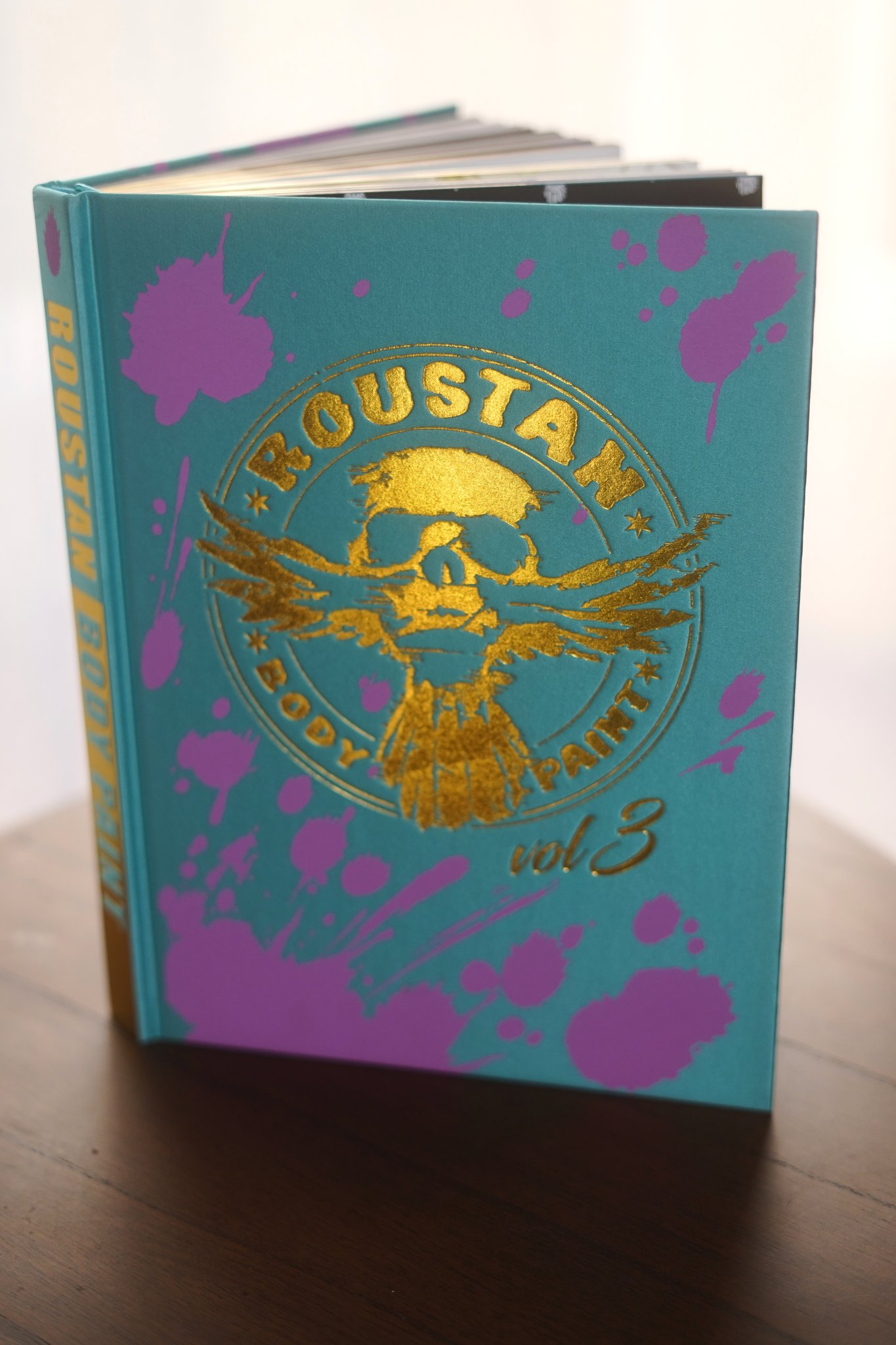
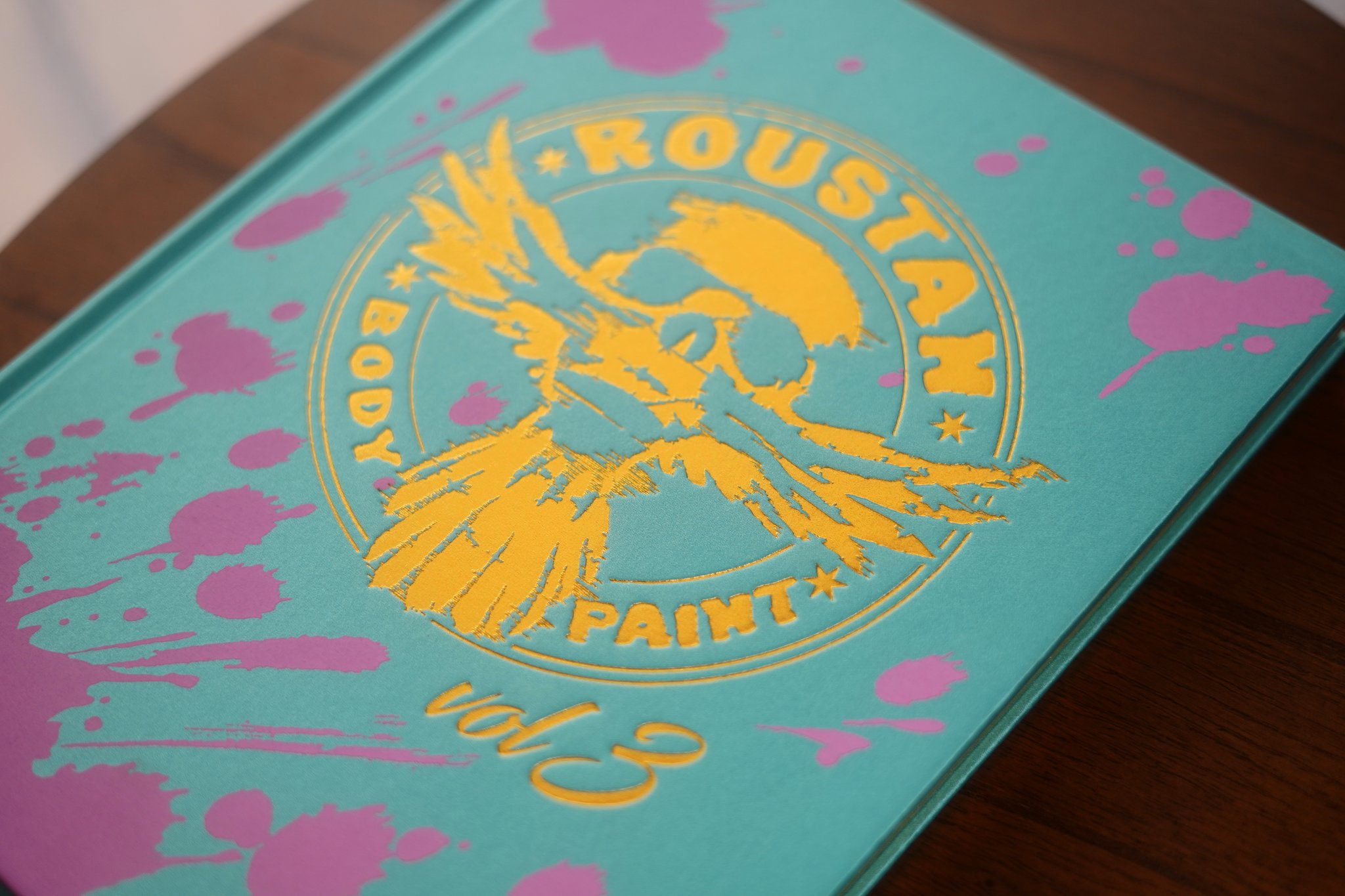
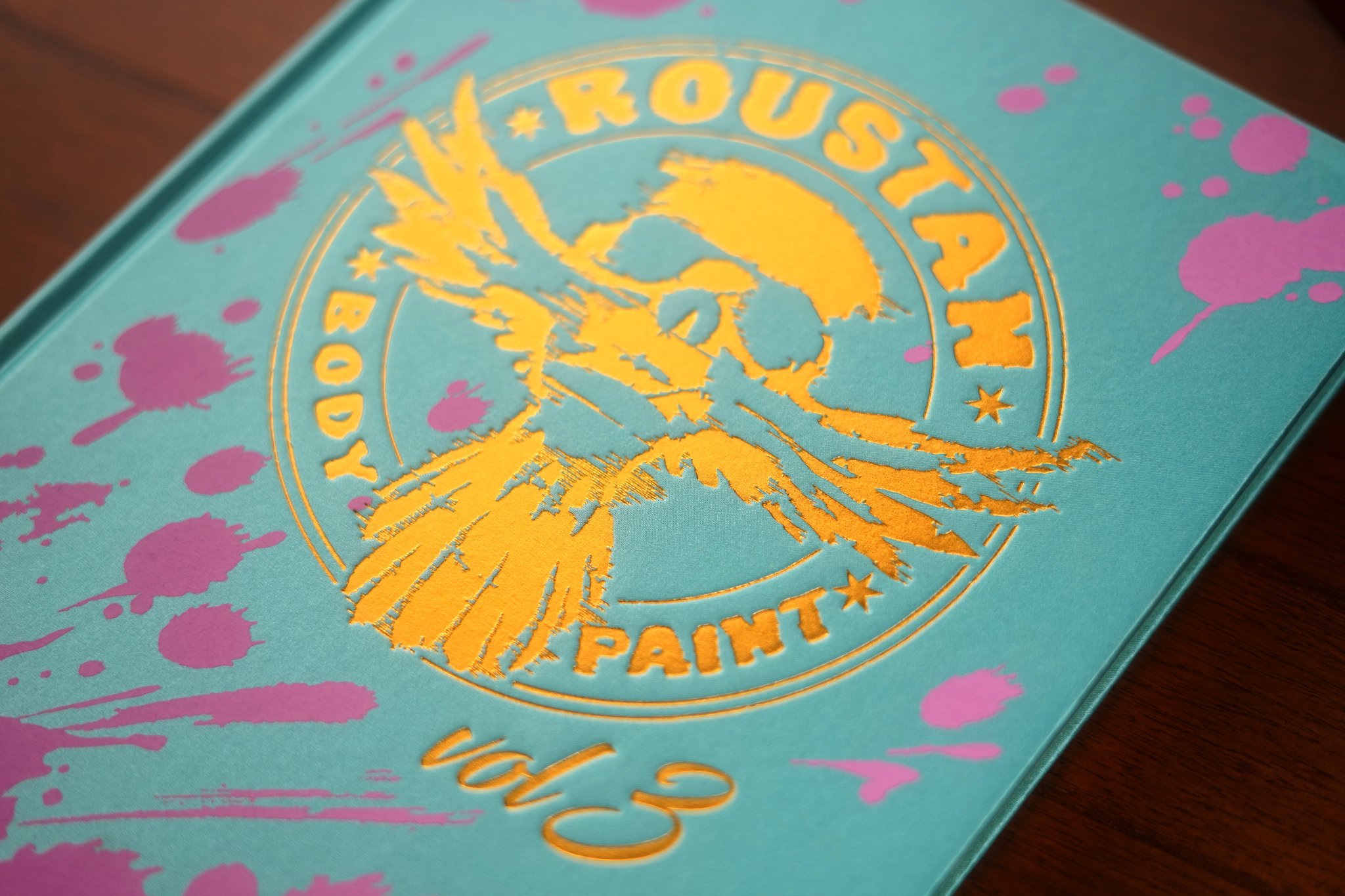
The community Roustan nurtured within Decentraland (a decentralized platform) significantly funded the production of his third hardcover art book, Roustan Body Paint volume 3. “Second to only my mailing list, Decentraland, often labeled a 'dead metaverse', garnered more pre-orders than my YouTube, Twitter, and Instagram combined. Building a niche community around your work is a phenomenal way for it to thrive.”
Five years later, Roustan never stopped. “All this time, while it felt like the mainstream abandoned web3, I continued building and learning, and this exploration made it easy for me to implement AI as a tool. It has helped me code things much faster in my virtual worlds.” Roustan favors Hyperfy's open source world building code for browser-based immersive worlds. A sample can be found at this virtual RAD gallery. He says “It demonstrates a selection of my body paint work, avatars, and NFTs.”
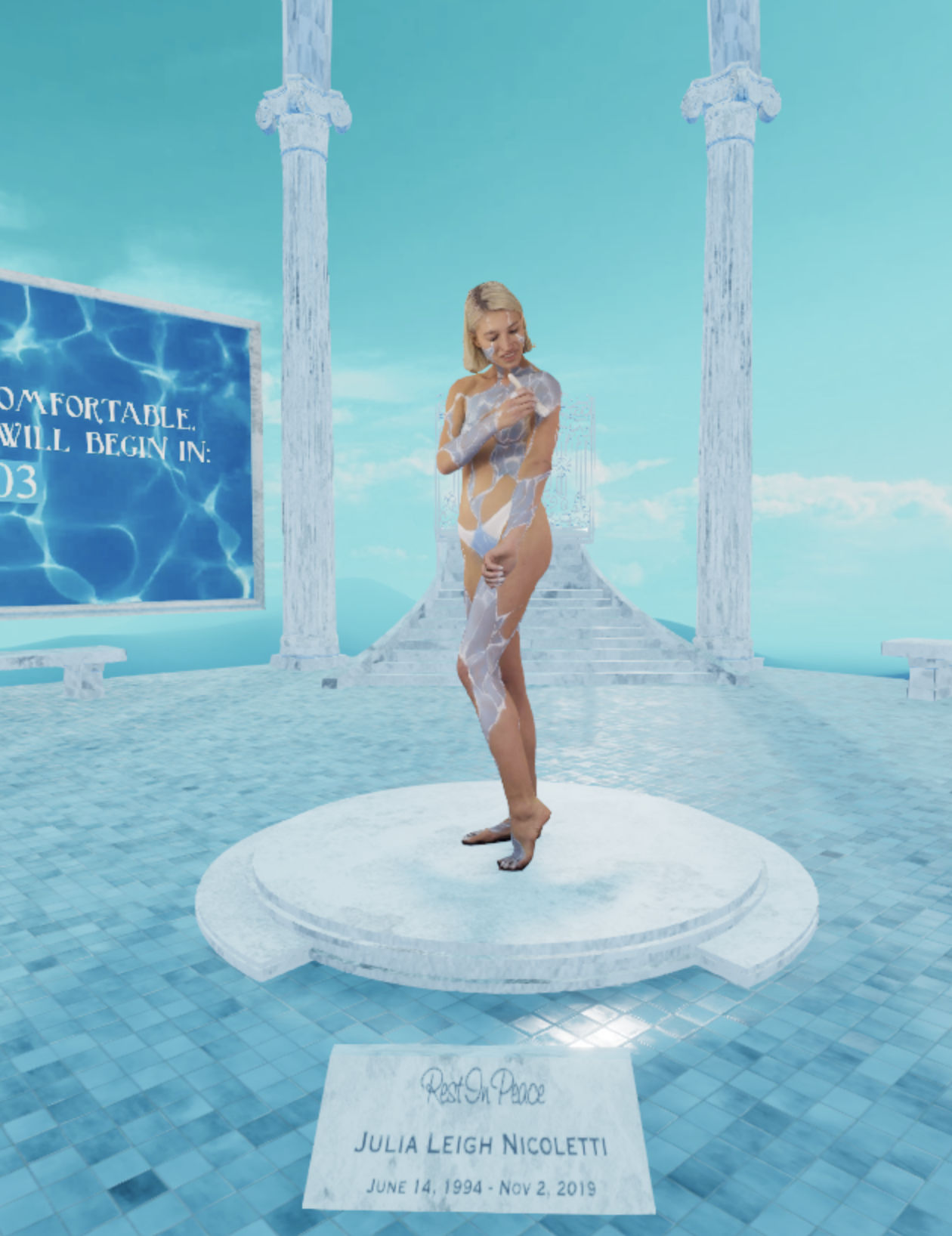
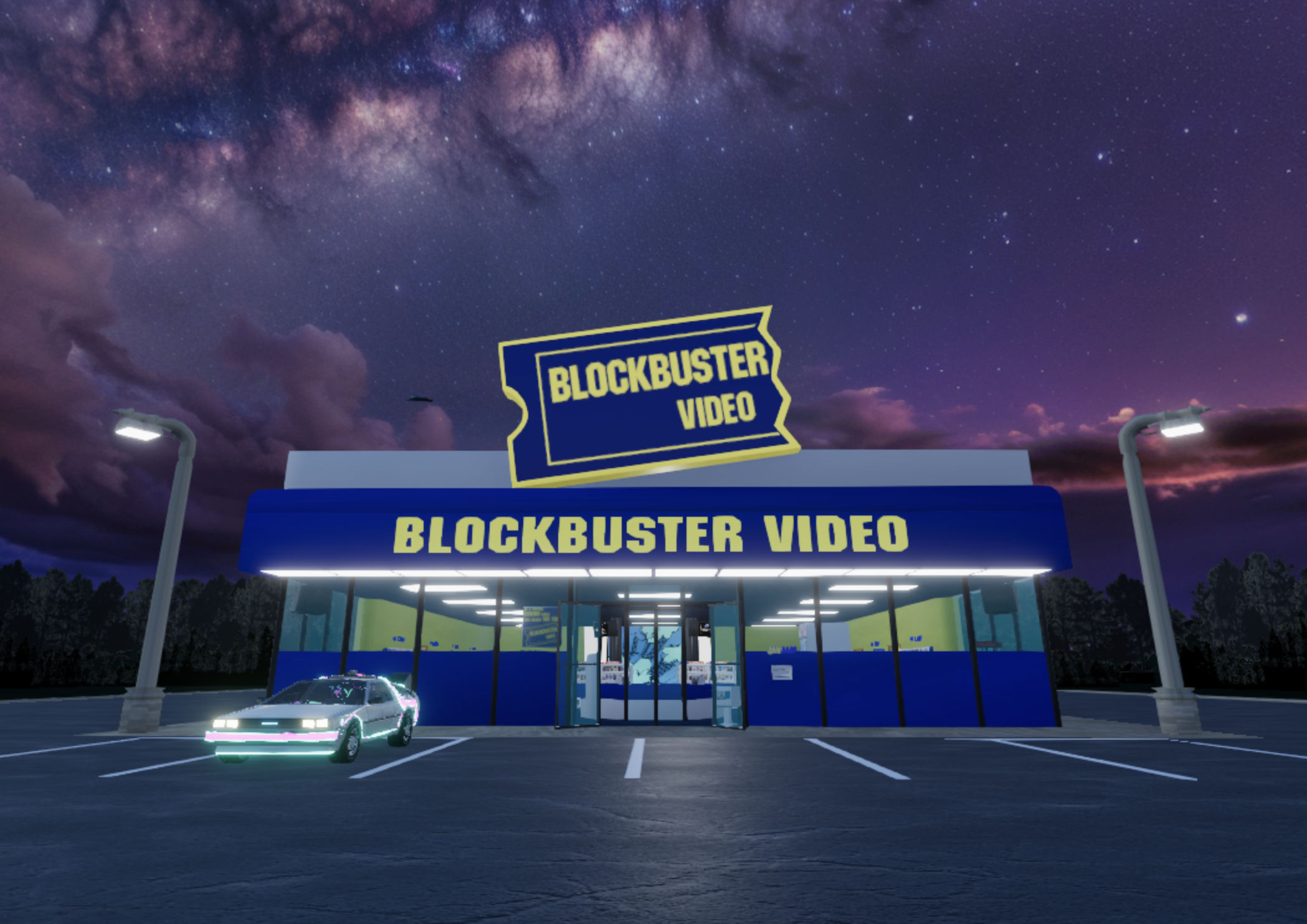
Julia's Gift is a chilling volumetric capture of a body-painted model, Julia Nicoletti, who tragically passed away in 2019. Blockbuster Video is a fun nostalgia build, made with heart, found in a VHS tape on the virtual desk at the RAD Gallery office asking you to return the tape.
(note: The virtual worlds work best on desktop using Chrome browser. They work on most Android phones, some iOS, and they work in VR with Quest 3 browsers. Decentraland can be accessed on desktop and also on android/iOS mobile from the play and apple stores.)
Roustan believes acceptance of evolving technology can help artists as it levels the playing field from corporate dependence. “Yes, AI can steal your job, but on the flipside, it can help you build your own business.” For example, he capitalized on the Decentraland's decentralization to display his body paint work which is mature in nature. Instagram, Facebook, YouTube, and TikTok all have censored his work, and in some cases banned his profile. He says, “You don't own your social media timelines. It can be taken from you without notice. Using AI can help you build your own platforms, websites, storefronts, and more. It's freedom from the dependence and rule of third parties. The sooner an artist realizes this advantage, the sooner they can benefit.”
Instead of rejecting and fearing quickly advancing technology, Roustan embraced it head on, explored the potential, and found several new avenues to help market and benefit his work, cutting out many middlemen along the way. Roustan urges, “I encourage other artists to take control of their paths and ditch the algorithm instead of fearing the unknown.”
About the artist
Who is Roustan?
I liked to draw for as long as I can remember. It was the one thing I consistently excelled at, and teachers and classmates always encouraged me to pursue art.
In 2005, when I was 25 years Old, I worked as a freelance illustrator for a magazine. One day, I pitched the idea of creating a body painting for a photo spread, even though I had never actually painted on a person before.
They said, “Yes!”
So I figured it out.
The moment I painted my first model, I realized I had found myself.
What surprised me wasn't just that I enjoyed painting on a person. It was that the artwork didn't stop when I put down the brush. The model became part of the artwork. Every movement changed the painting. The piece was alive!
Painting on the human body also freed me from something I had struggled with for years: brutal self-critique. A canvas can sit in the studio for weeks while I obsess over every detail. A body painting doesn't allow that. You have a few hours to create something beautiful before it's gone.
That time pressure matches the way I naturally create. I'm an impatient artist. I love the result more than the process, and body painting demands instinct over perfection.
The artwork exists for only a brief moment before it disappears, surviving through photographs, video, and the memories of the people who experienced it. That sense of transformation and impermanence is what continues to inspire me today.
I've now been creating body painting art for over 20 years. During that time, I've watched the creative world transform through the rise of social media, the creator economy, virtual worlds, and now AI. Each shift has challenged artists to rethink how they create and connect with audiences.
Rather than resisting those changes, I've embraced them. I've built an audience on YouTube, experimented with immersive virtual galleries in the metaverse, explored augmented reality and volumetric capture, and recently begun incorporating AI into my creative process. For me, technology has never been the destination. It's simply another tool that allows me to tell stories in new ways while staying true to the art-form I latched onto more than two decades ago.
Quick Points
- Los Angeles-based body painter and photographer
- over 20 years creating body painting art
- Winner: North American Bodypaint Championships
- Bachelor of Fine Arts - School of the Art Institute of Chicago, 2002
- Master of Arts in Teaching - Rhode Island School of Design, 2006
- YouTube creator with 480k+ subscribers; work spans fine art, editorial, commercial, and digital formats
- Explores virtual worlds, augmented reality, volumetric capture, and AI as creative tools
- Featured in GQ, Playboy, Maxim, The New York Post, The Chicago Sun-Times, and international exhibitions
Editorial ready background, representative work, and downloadable assets for media use
Images for editorial use
Images are numbered for easy reference. Click any thumbnail to view full size (use arrows or arrow keys to browse).
Web3
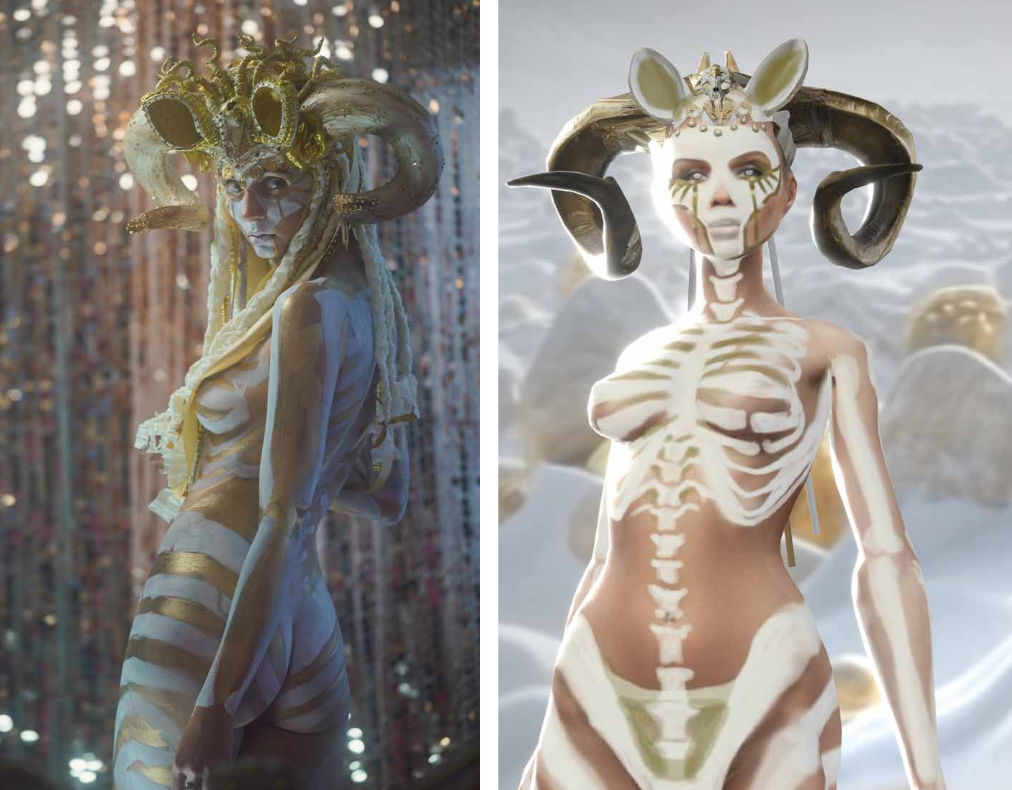
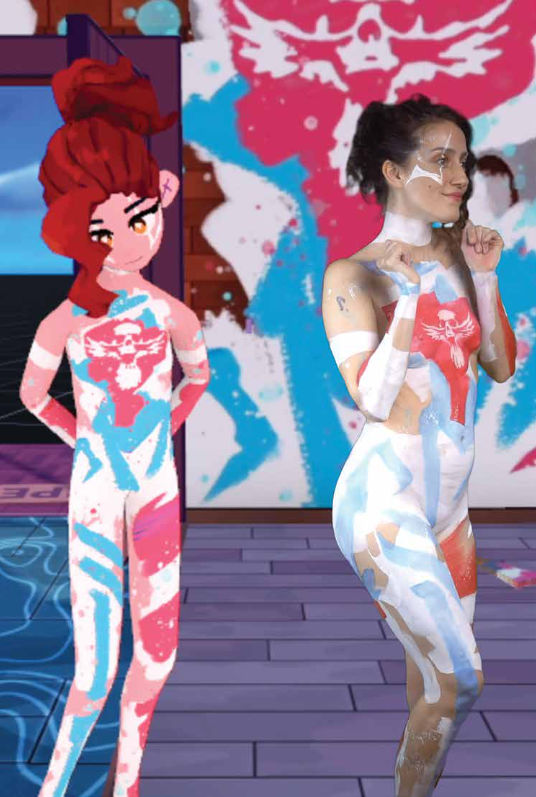
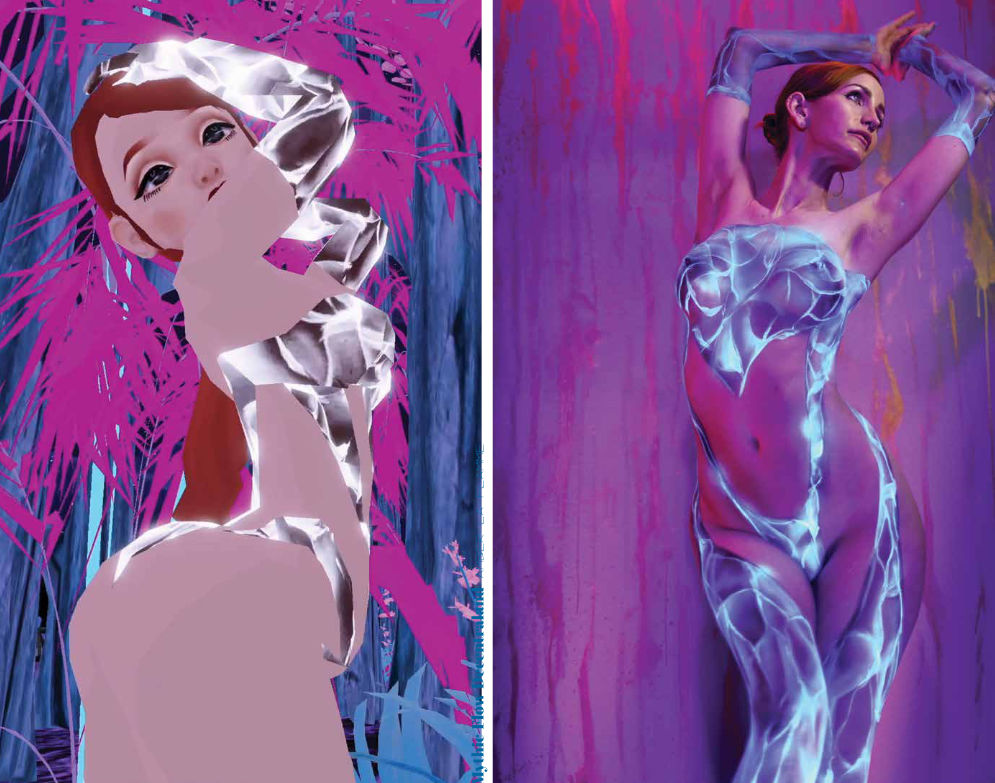
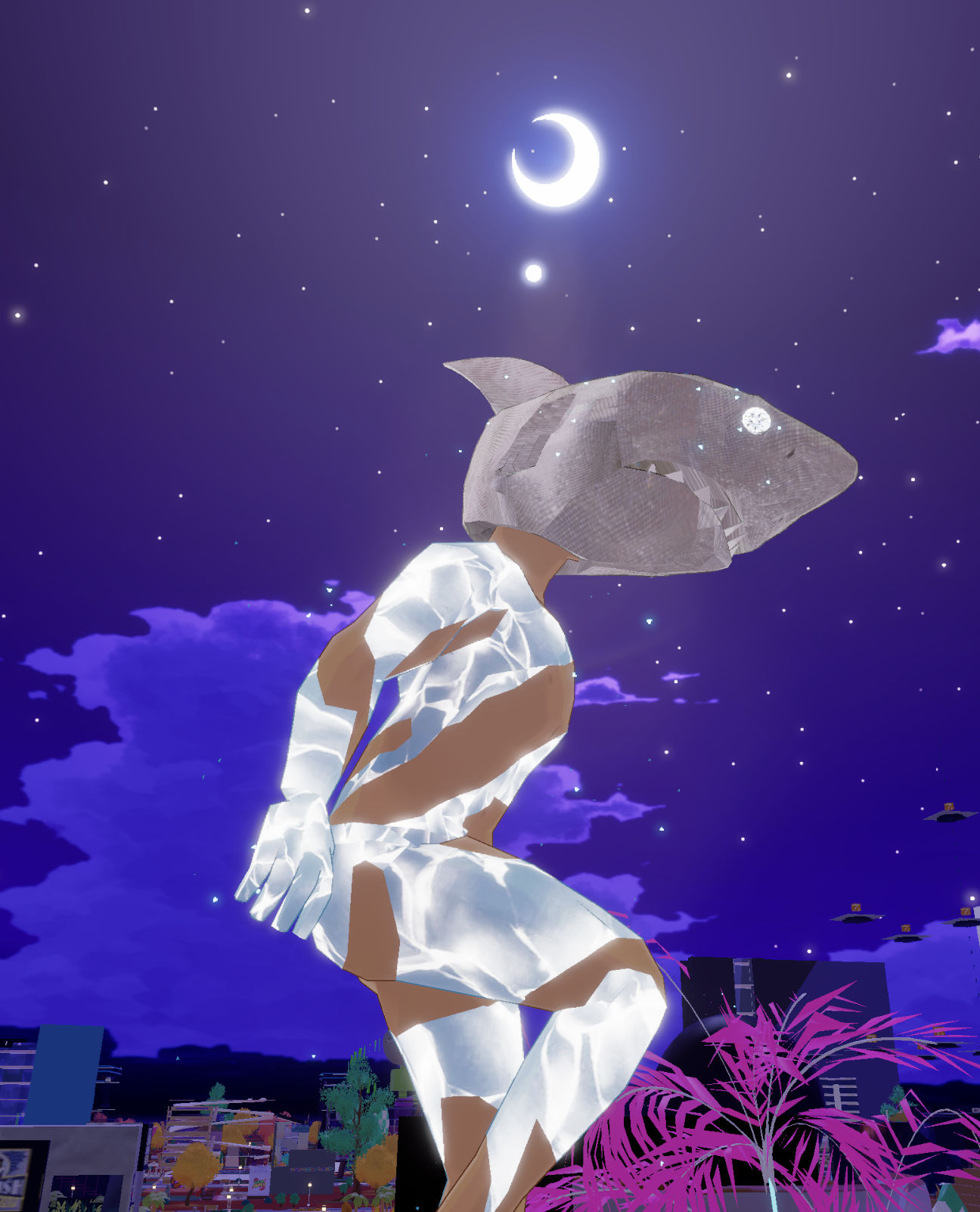
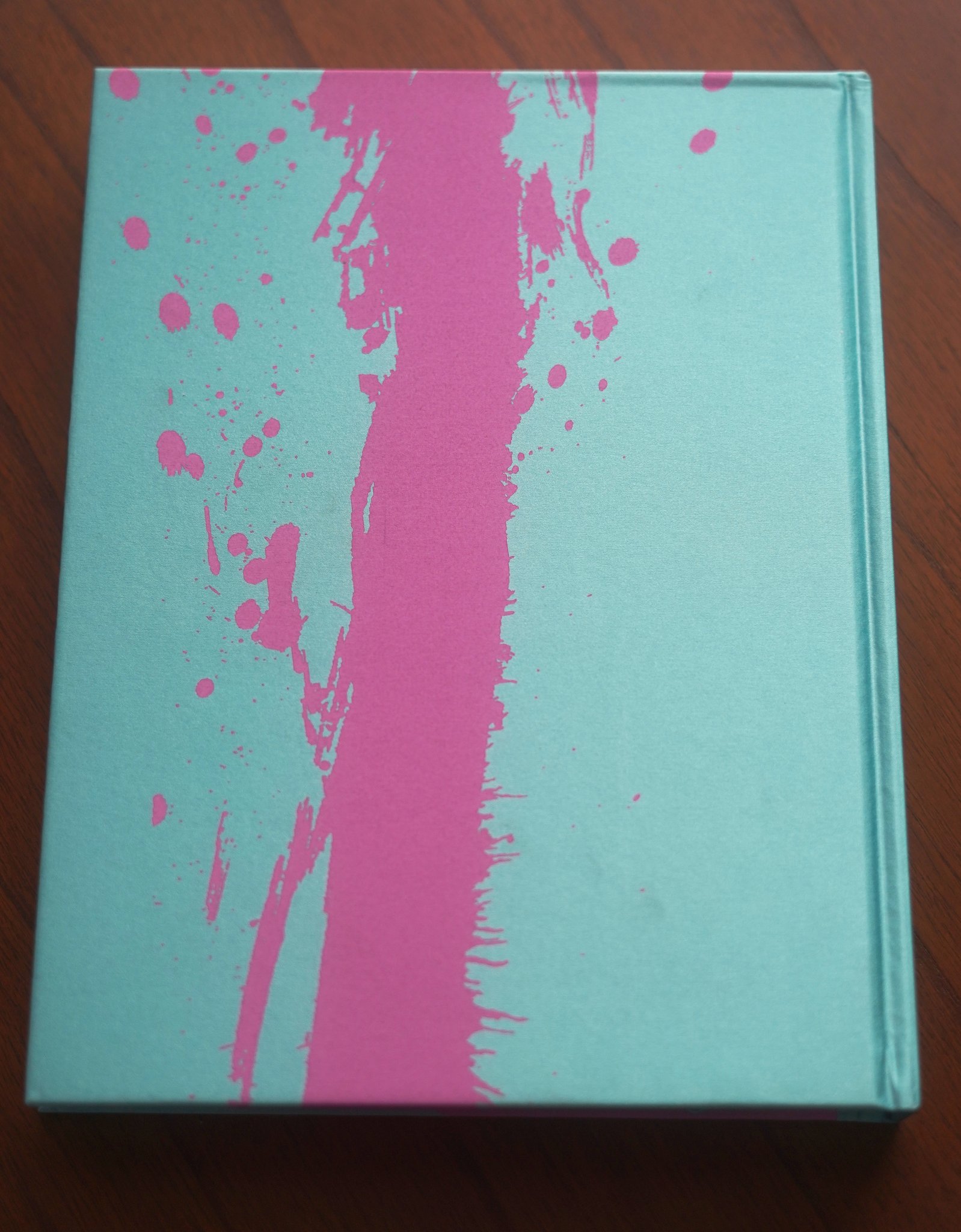
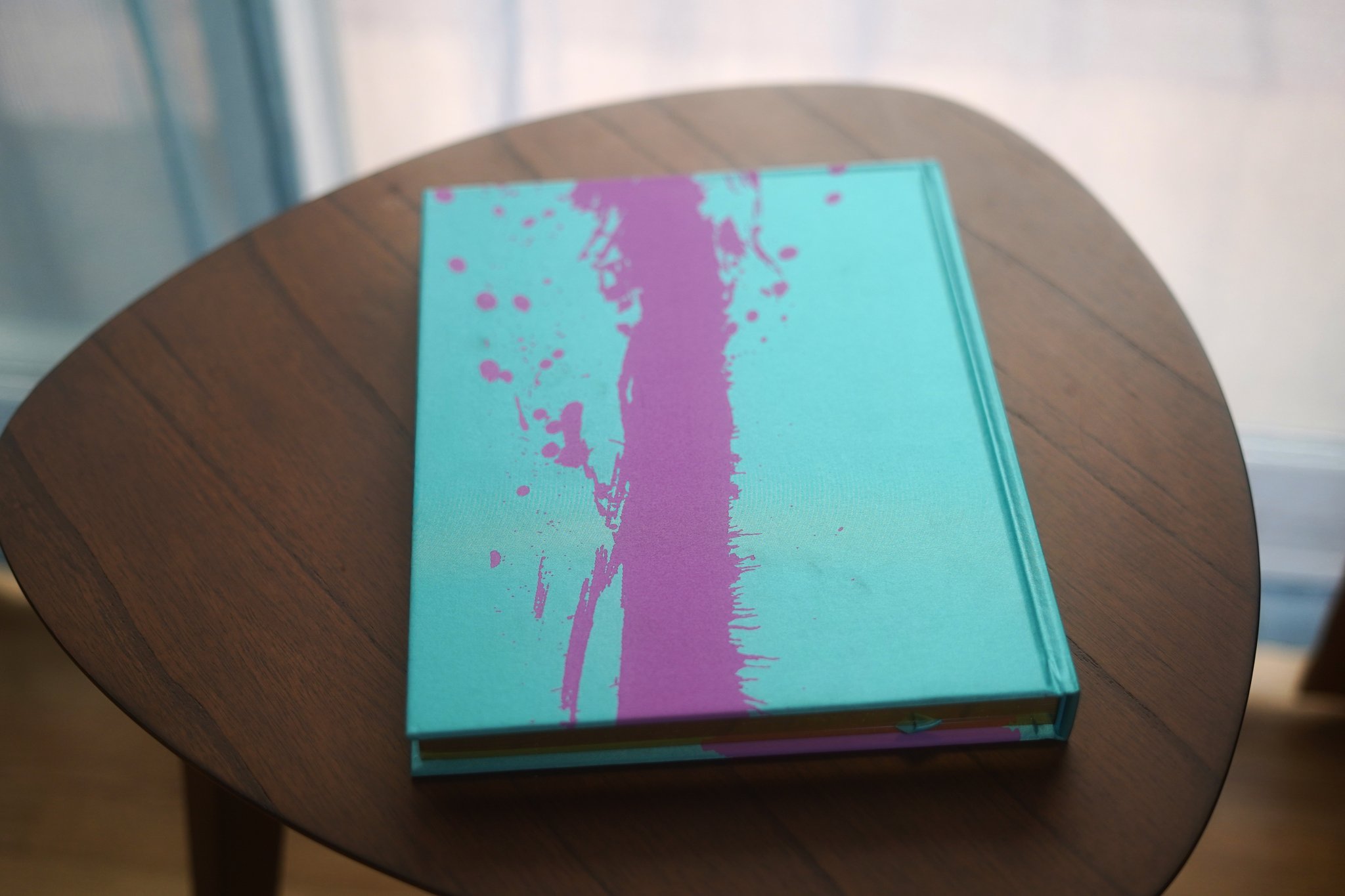
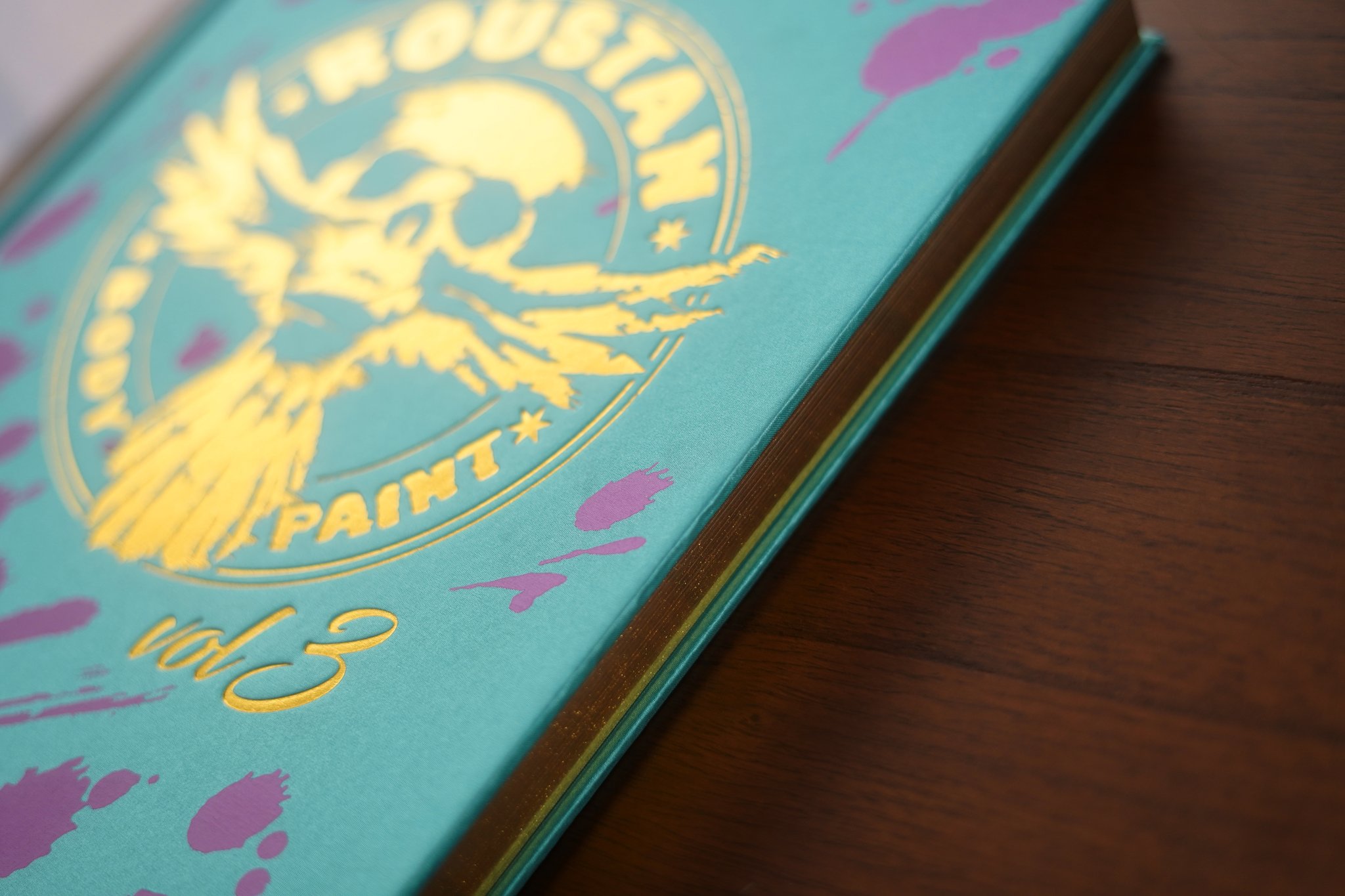
Roustan Body Paint Vol. 3
A 260-page hardcover photography book featuring over 150 body paintings by award-winning artist Roustan.
Links
- Website: https://bodypainter.com/
- Instagram: https://www.instagram.com/roustan/
- YouTube: https://www.youtube.com/roustan
Photos
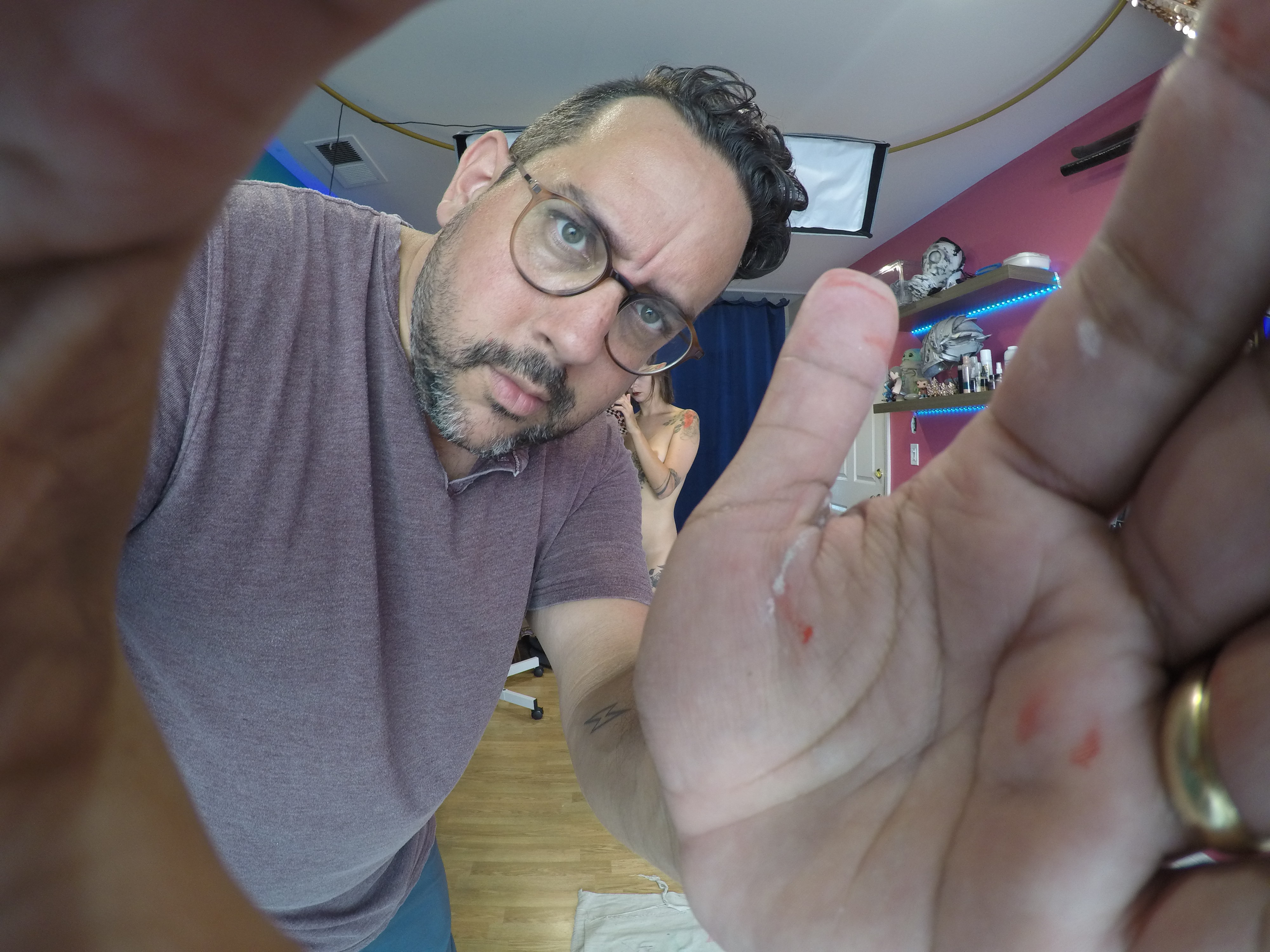
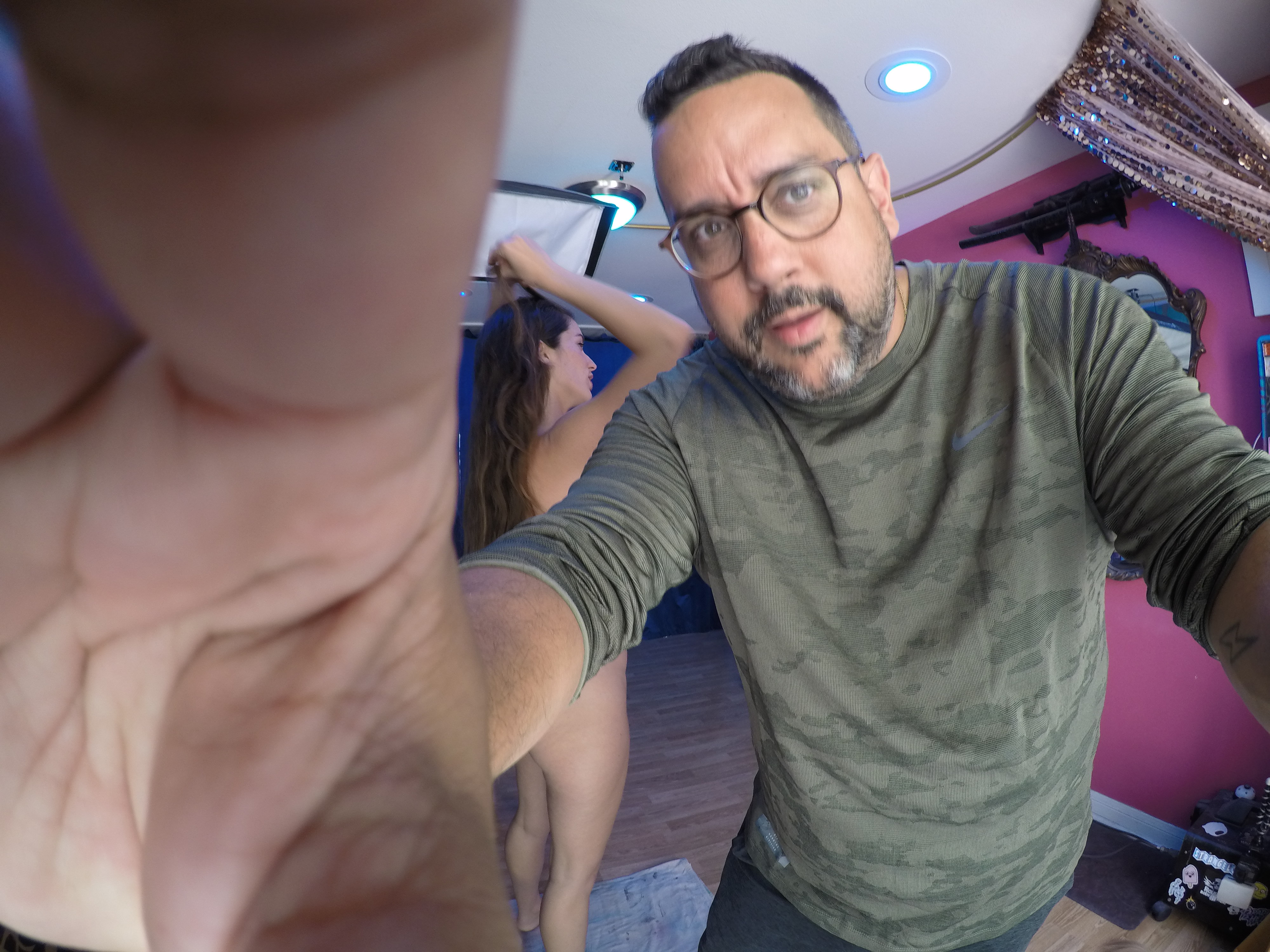
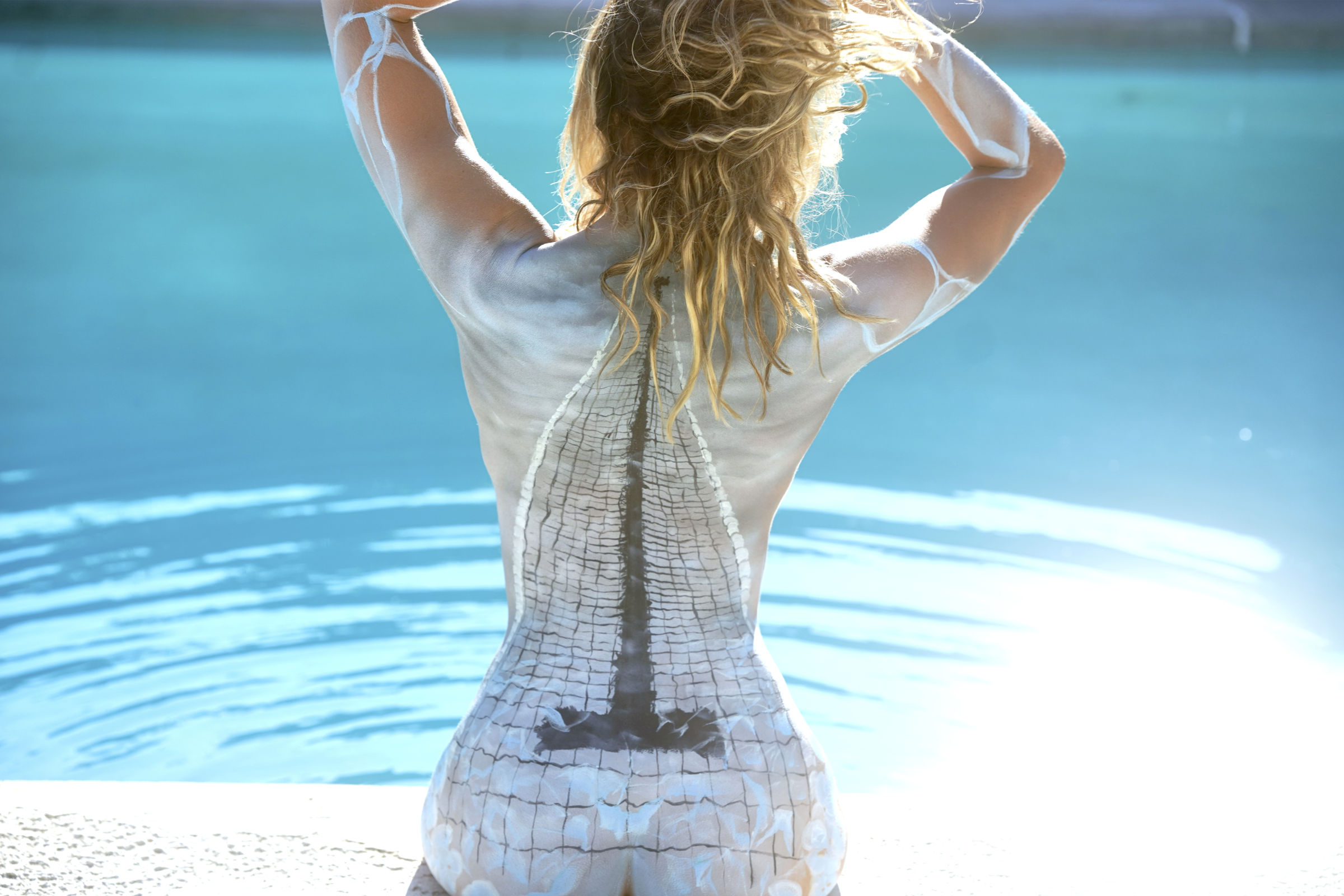
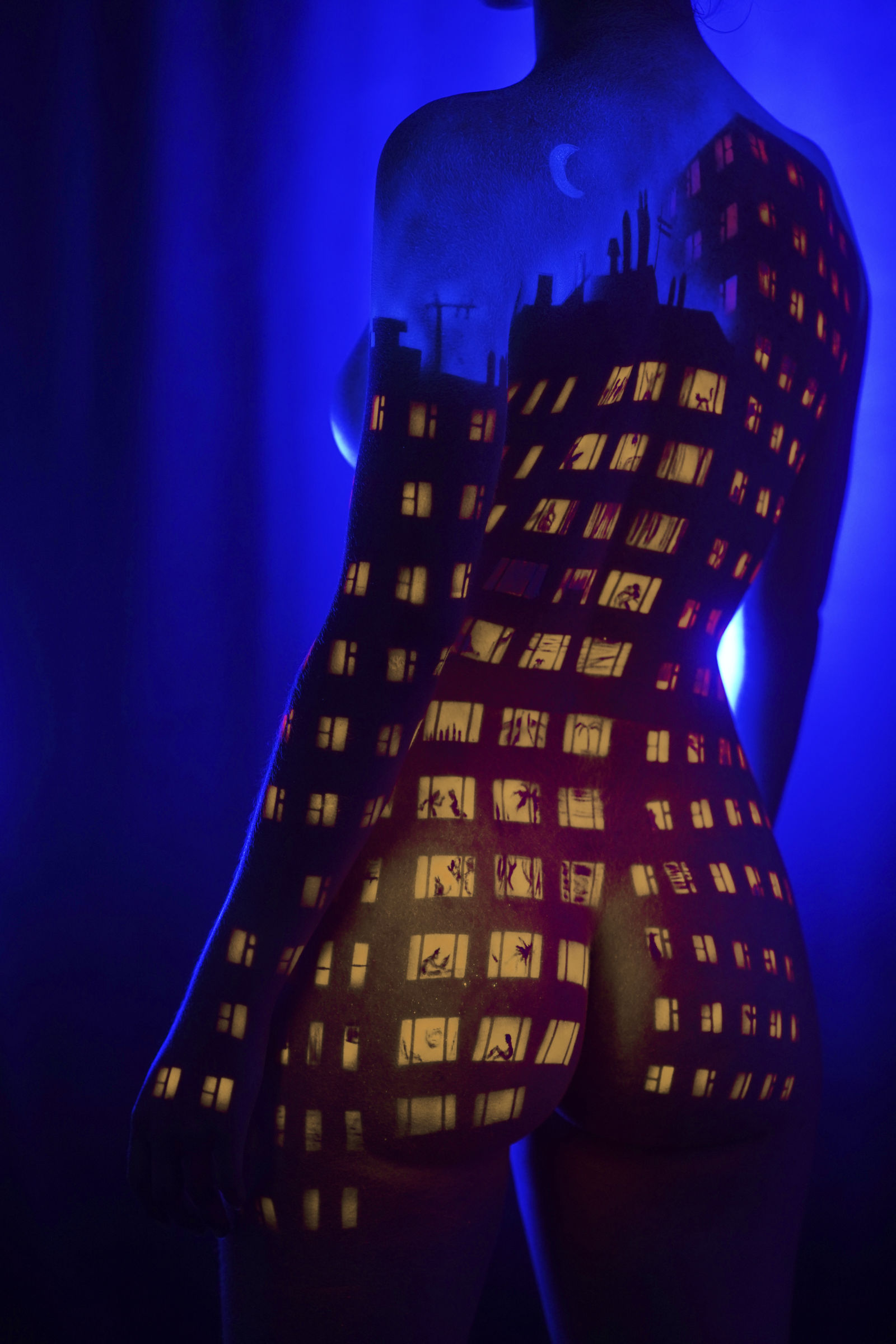
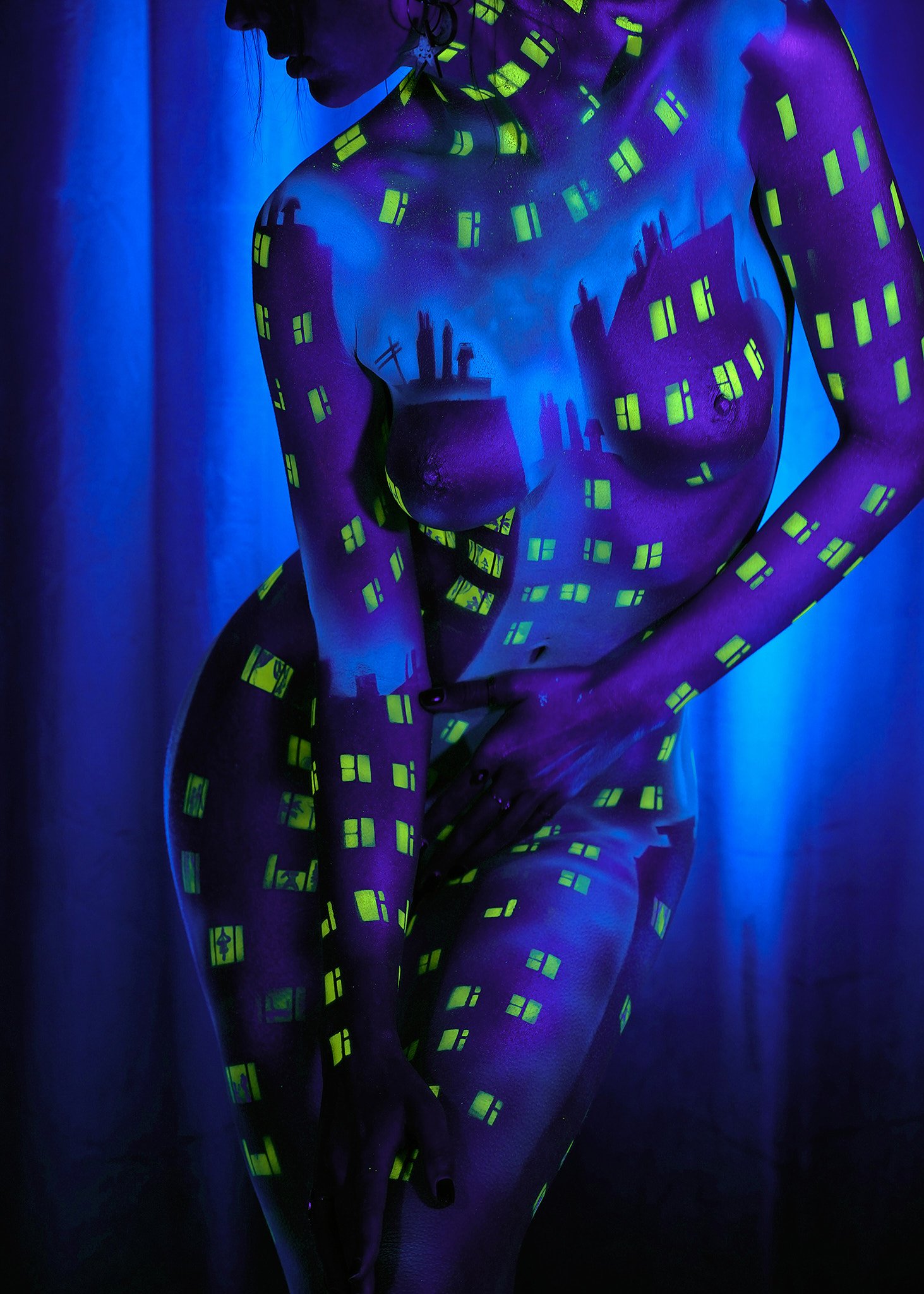
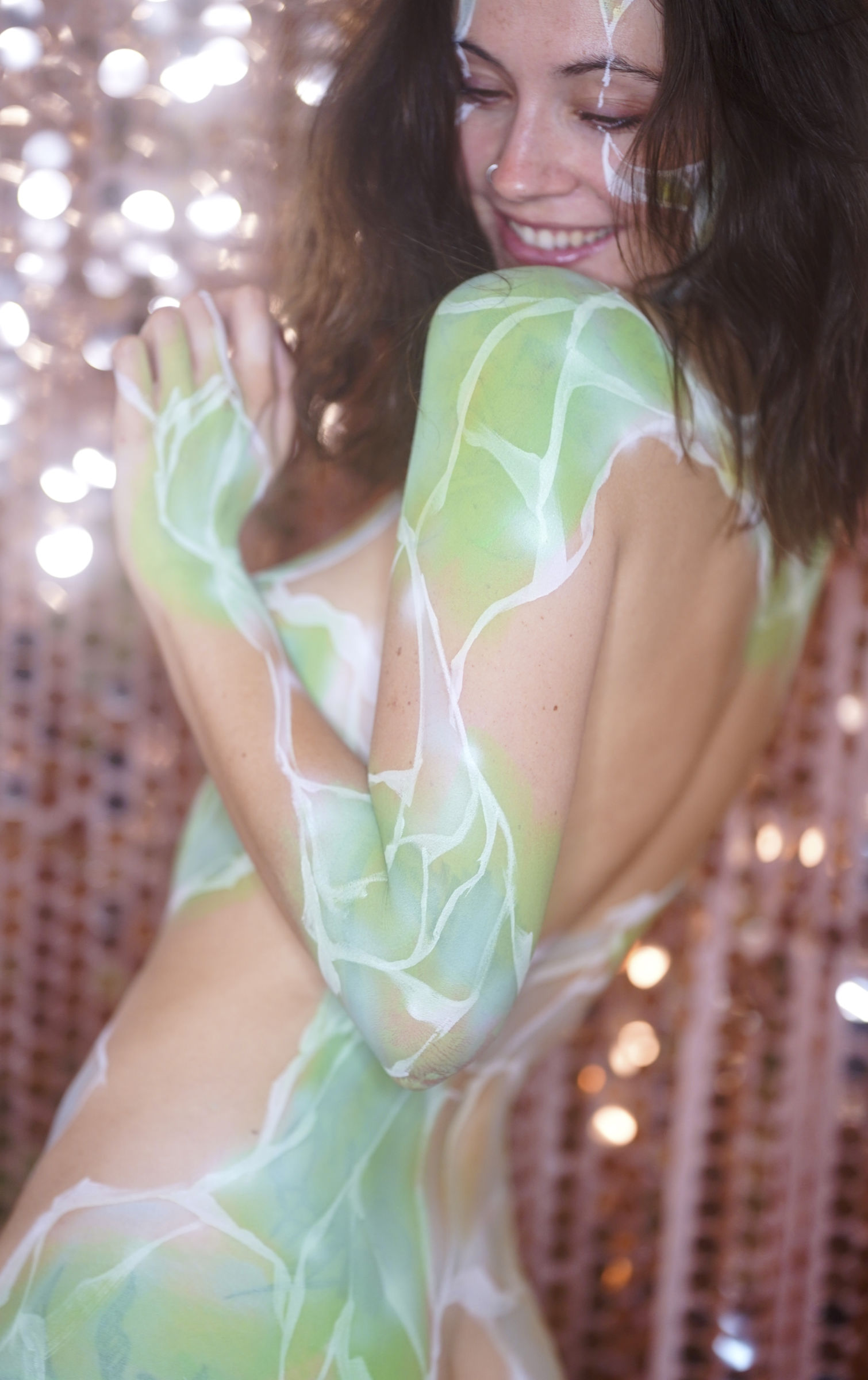
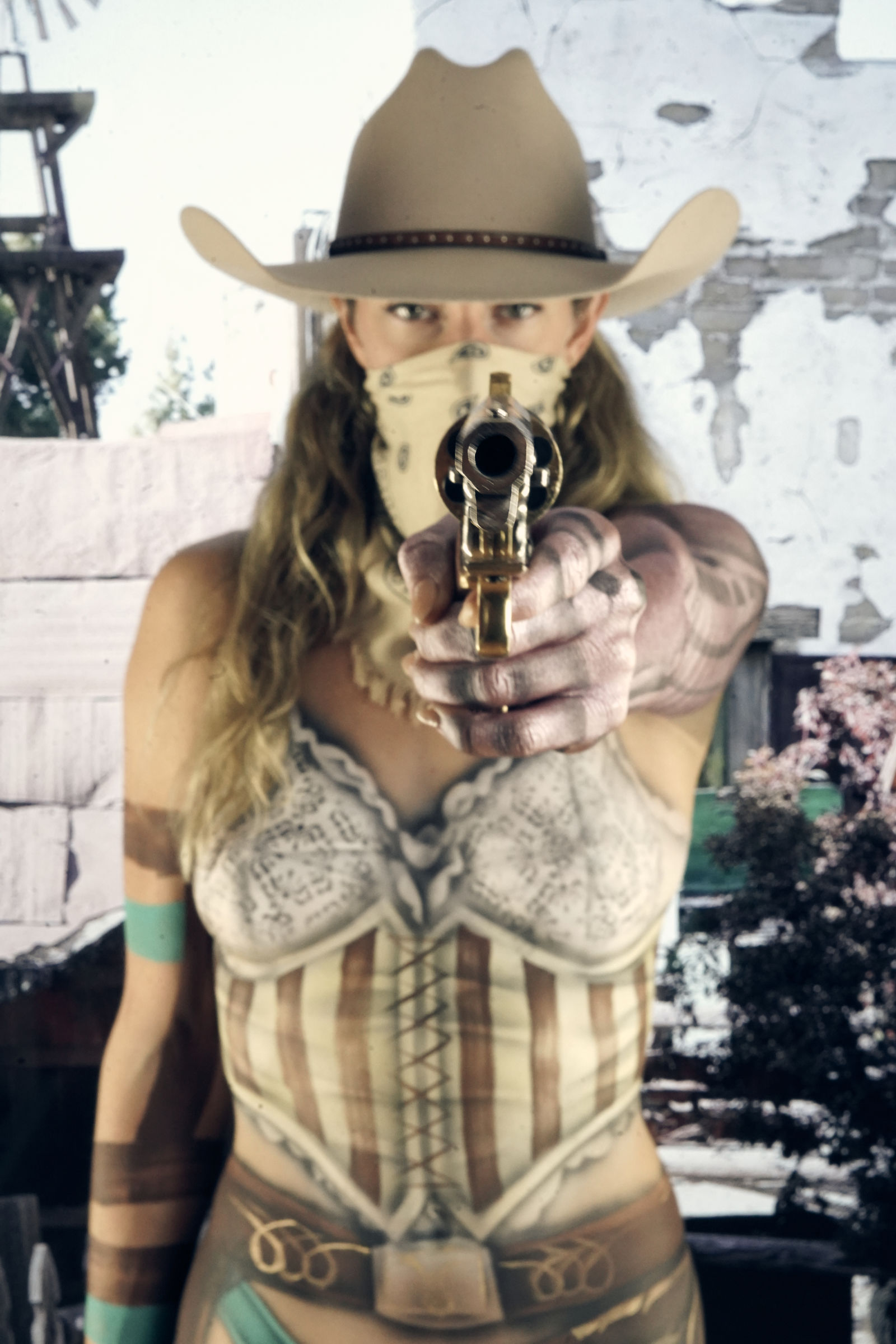
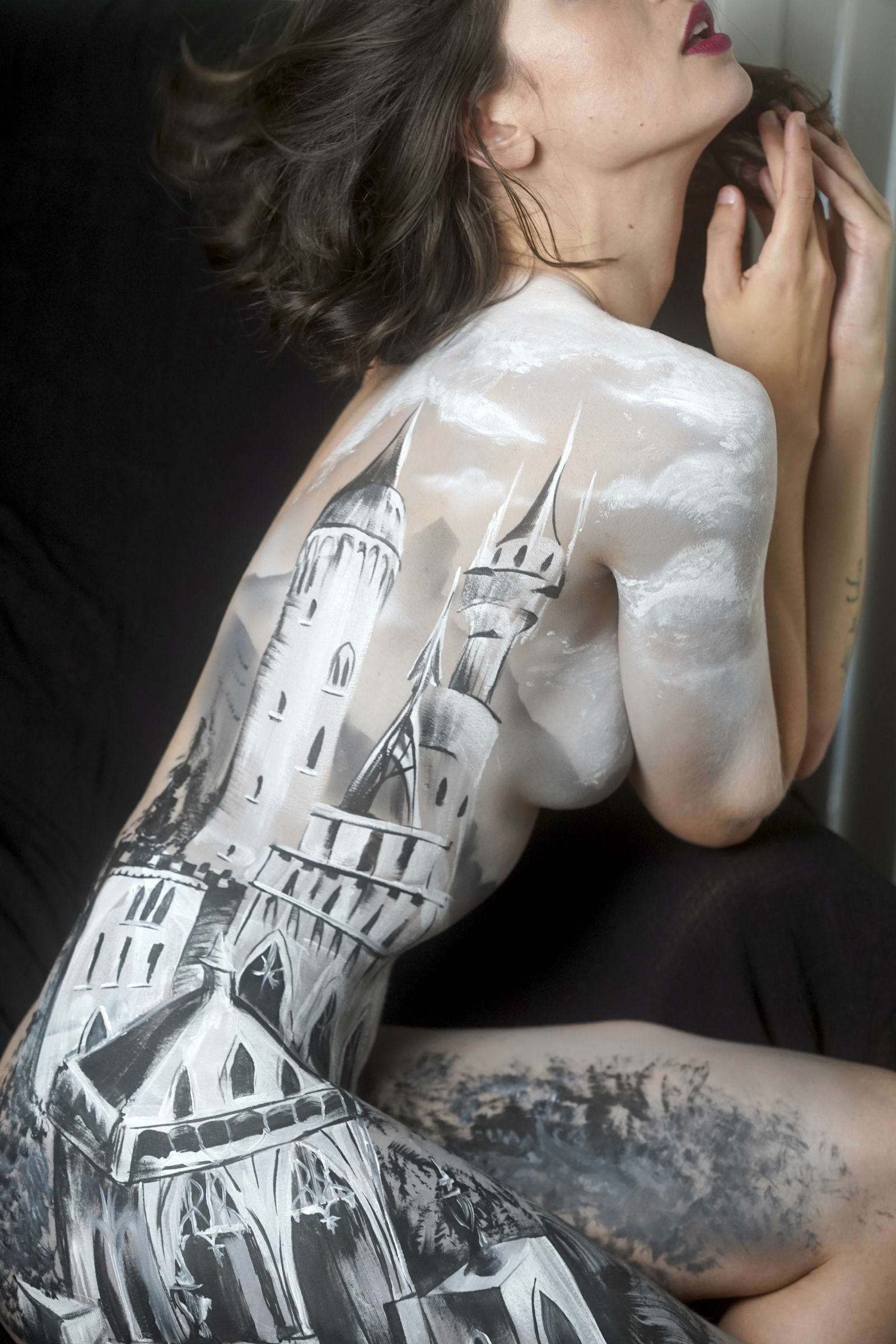
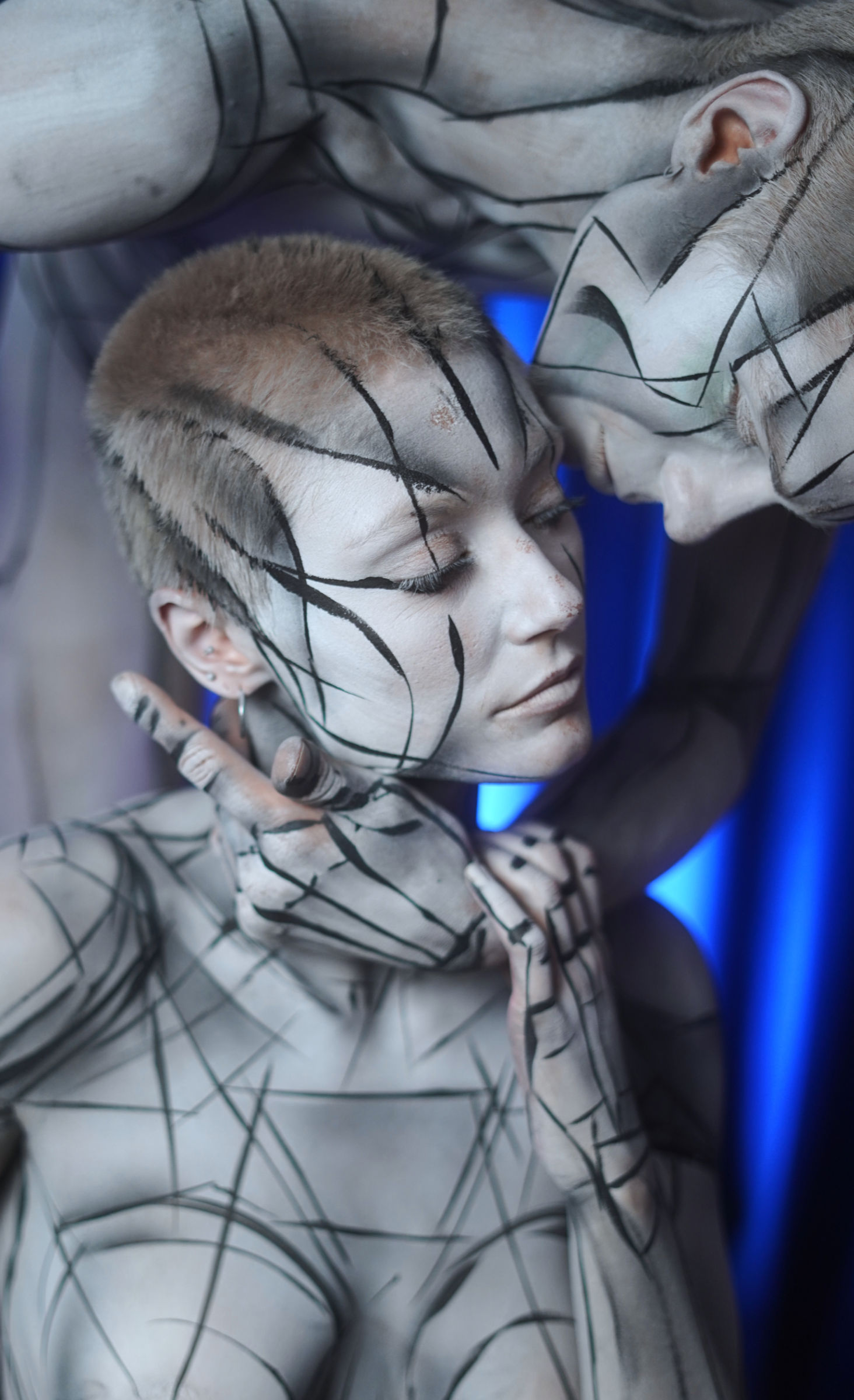
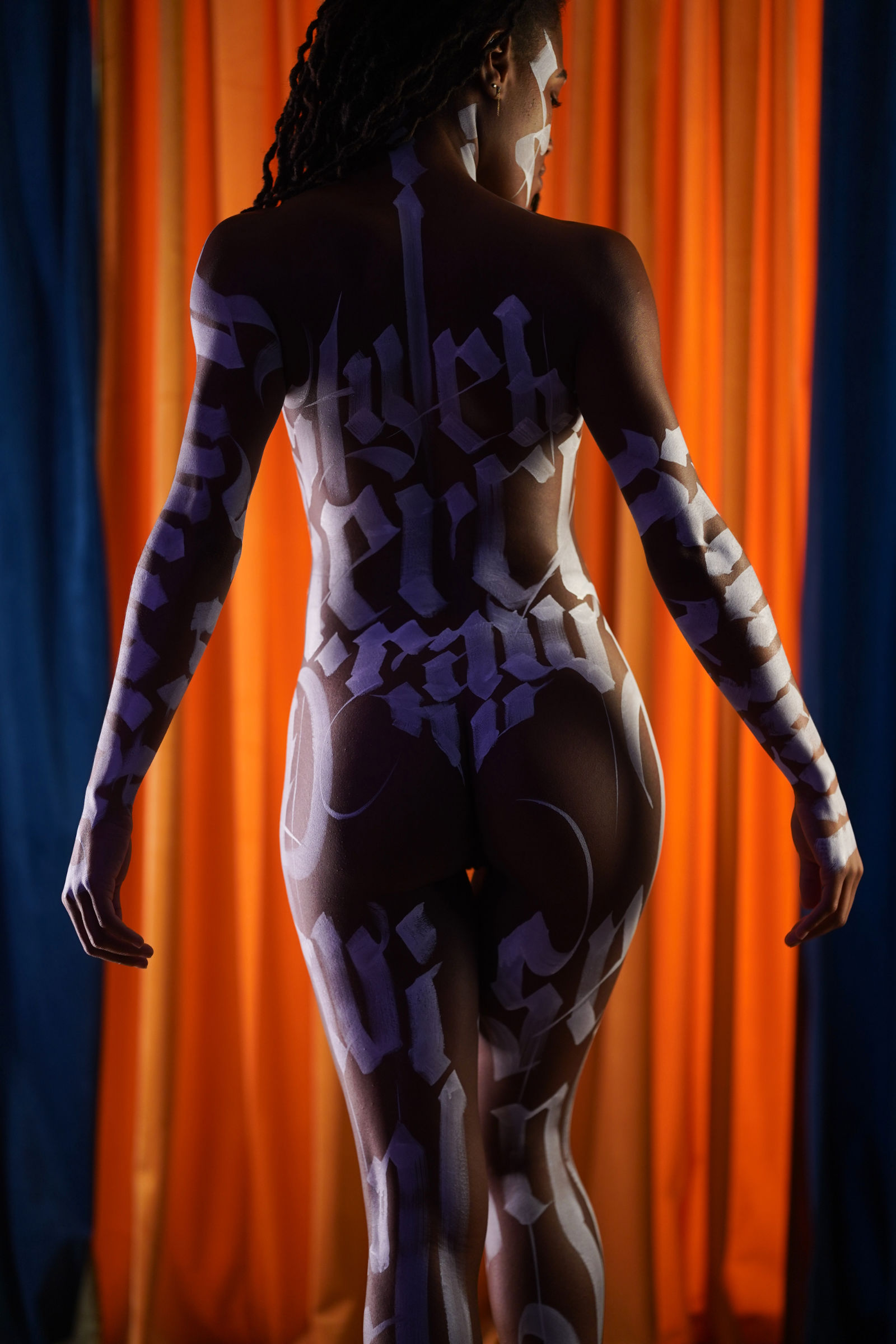
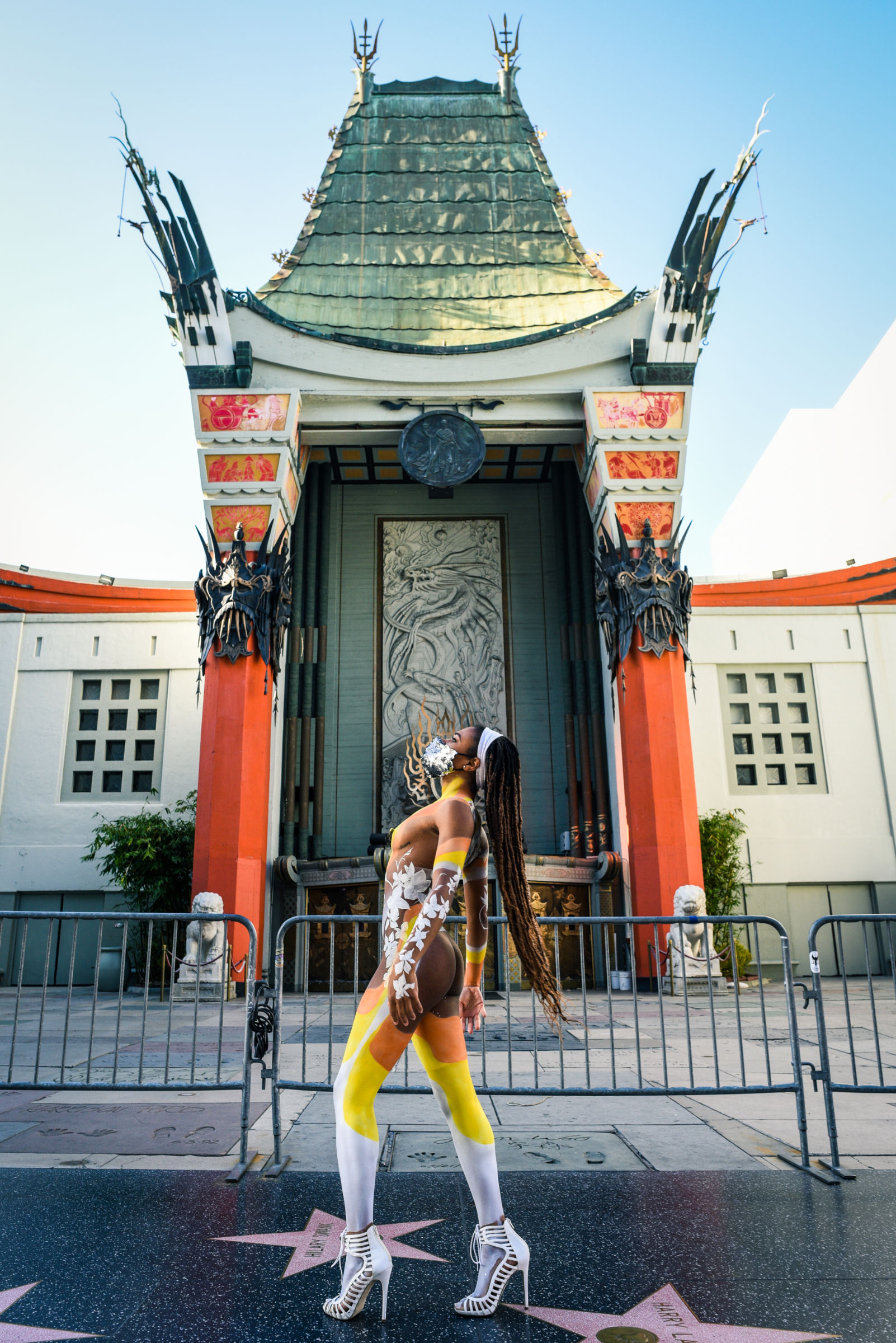
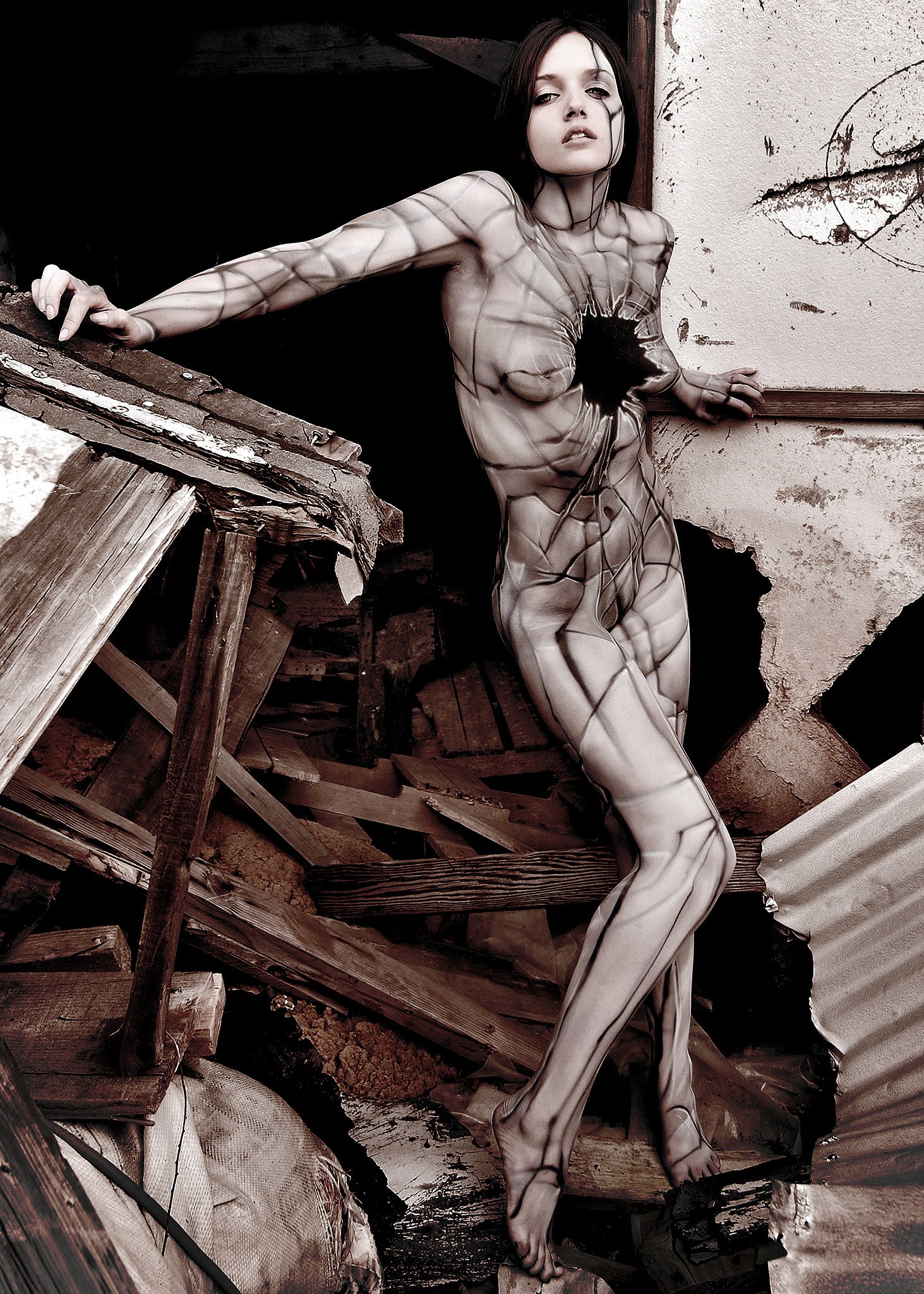
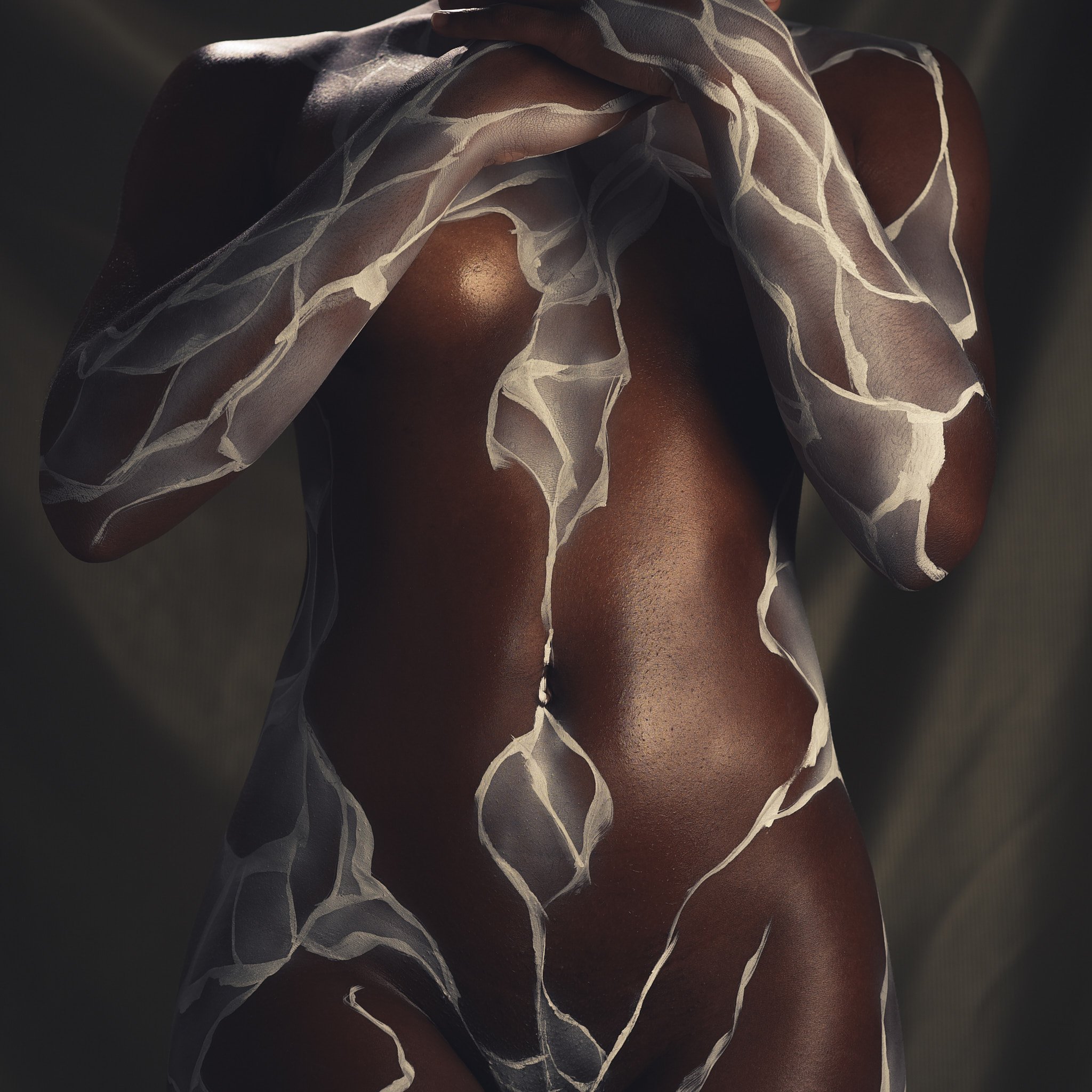
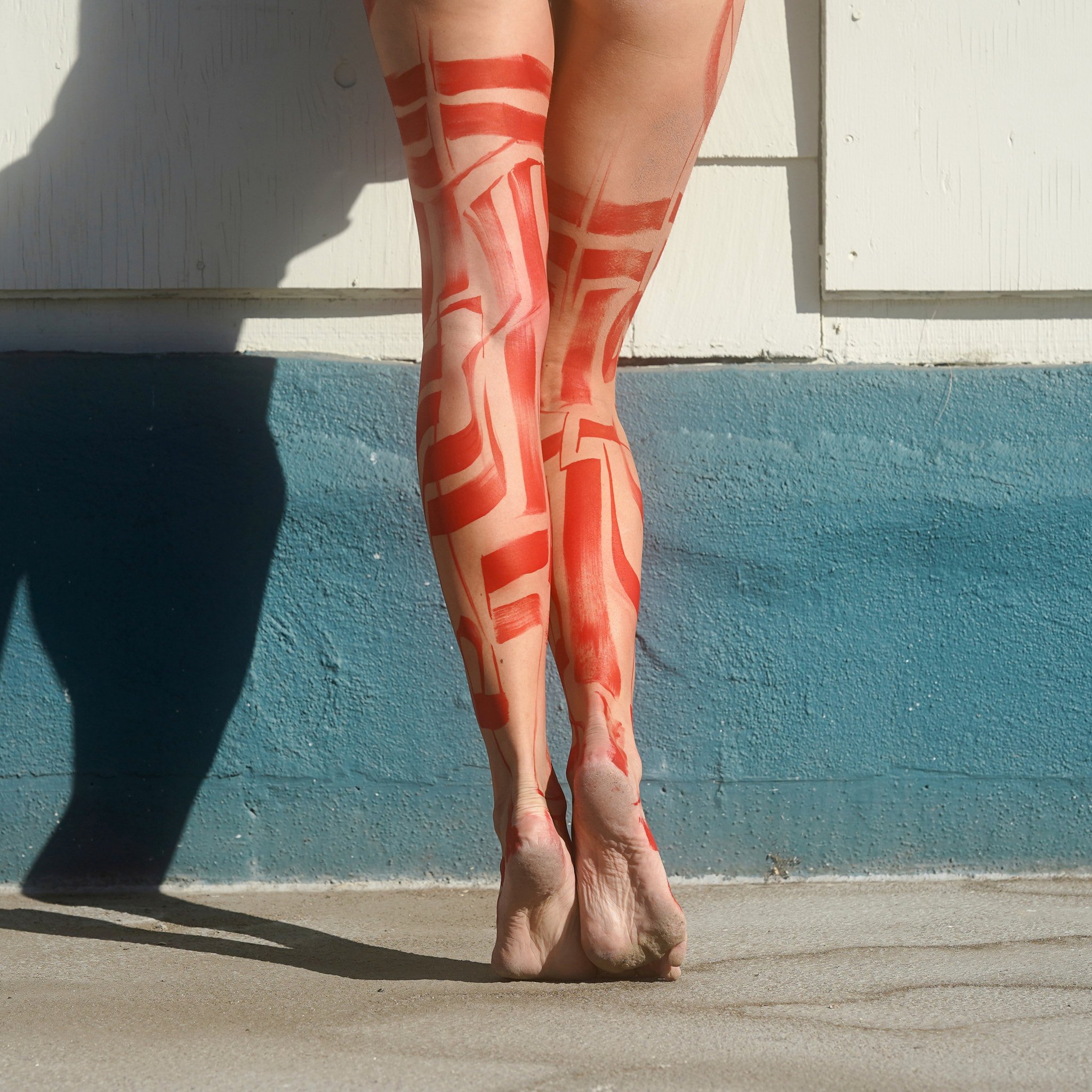
Headshots and sample work for editorial use. Captions below each thumbnail may be used directly or adapted. Click an image to view full size; use the arrows or arrow keys to browse.
Headshots
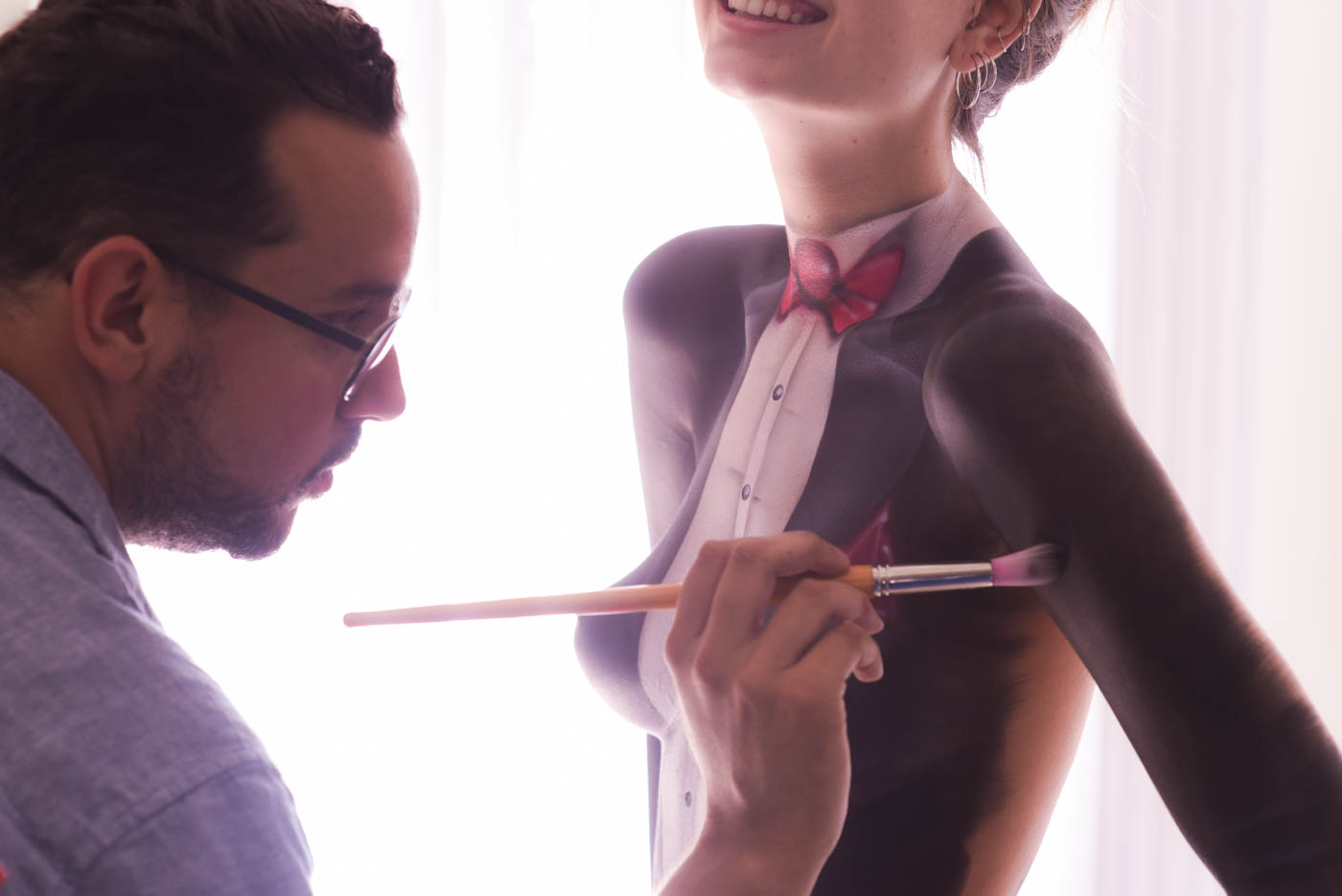
Sample work
Notes for editors
Images are available for publication with credit to Roustan. Additional materials, captions, and interview requests are available upon request.
- Body paintings are photographed by Roustan unless another photographer is credited.
- Images may be cropped for editorial layout as needed.
- Credit: Roustan and models accordingly.